Root Canals Are Safer Than Extractions in Nearly All Cases
Posted on 1/15/2026 by Singing River Dentistry Madison |
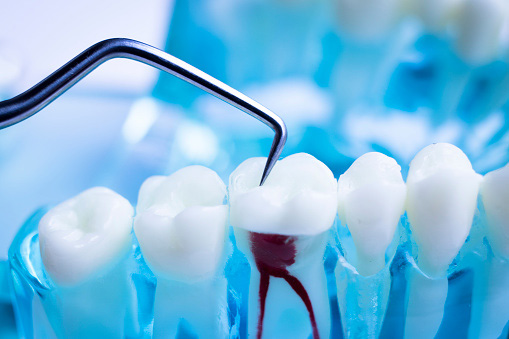 Losing a tooth can feel like a major setback, but it's important to know that there are ways to save your natural teeth. While extracting a tooth might seem like a quick fix, it can actually lead to more problems down the road. In most situations, a root canal is a better and safer option. Let's explore why. Losing a tooth can feel like a major setback, but it's important to know that there are ways to save your natural teeth. While extracting a tooth might seem like a quick fix, it can actually lead to more problems down the road. In most situations, a root canal is a better and safer option. Let's explore why.
The Importance of Keeping Your Natural Teeth
Your teeth aren't just for chewing. They help you speak clearly, maintain the shape of your face, and keep your jawbone healthy. When you lose a tooth, the surrounding teeth can shift, which can affect your bite and make it harder to clean your teeth properly. This can increase your risk of cavities and gum disease. Plus, losing a tooth can affect your appearance and confidence.
What is a Root Canal?
A root canal is a procedure to save a tooth that is badly infected or decayed. Inside each tooth is a soft tissue called the pulp, which contains nerves and blood vessels. When this pulp becomes infected, it can cause severe pain and eventually lead to an abscess. During a root canal, the infected pulp is removed, and the inside of the tooth is cleaned and sealed. This stops the infection and saves the tooth. Think of it as intensive care for your tooth!
Why Root Canals Are Often the Safer Choice
While extracting the tooth might seem easier, it's often not the best long-term solution. Here's why root canals are usually safer:
| • |
Preserves Your Natural Tooth: The biggest advantage is that a root canal allows you to keep your natural tooth. This is crucial for maintaining proper chewing function, preventing teeth from shifting, and preserving your jawbone. |
| • |
Prevents Further Complications: Extracting a tooth can lead to bone loss in the jaw, which can affect the stability of surrounding teeth and make it more difficult to get implants or dentures later on. |
| • |
Less Invasive Than Extraction and Replacement: While a root canal does involve cleaning and sealing the inside of the tooth, it is often less invasive than an extraction followed by replacing the tooth with an implant or bridge. An extraction can sometimes require bone grafting, and implant placement is a surgical procedure. |
| • |
Long-Term Stability: A tooth that has had a root canal, followed by a proper restoration, can last for many years, even a lifetime, with proper oral care. This is often a more stable and predictable outcome than other tooth replacement options. |
The Role of Restoration Dentistry
After a root canal, the tooth is often more brittle and needs protection. This is where restoration dentistry comes in. A common restoration after a root canal is a crown, which covers the entire tooth and provides strength and support. This helps to ensure that the tooth can withstand chewing forces and last for many years.
Taking Care of Your Teeth After a Root Canal
Just like any other tooth, a tooth that has had a root canal needs proper oral care. This includes brushing twice a day, flossing daily, and visiting your dentist for regular checkups and cleanings. With good oral hygiene, a root canal-treated tooth can be a healthy and functional part of your smile for years to come.
Making the Right Choice for Your Oral Care
Ultimately, the best decision for your oral health depends on your individual circumstances. However, in most cases, choosing a root canal over an extraction is the safer and more beneficial option for preserving your natural teeth and maintaining a healthy smile. Discuss all options with your dentist to determine the best treatment plan for you.
|
|

