Botox for TMJ: How It Actually Works
Posted on 2/25/2026 by Singing River Dentistry Madison |
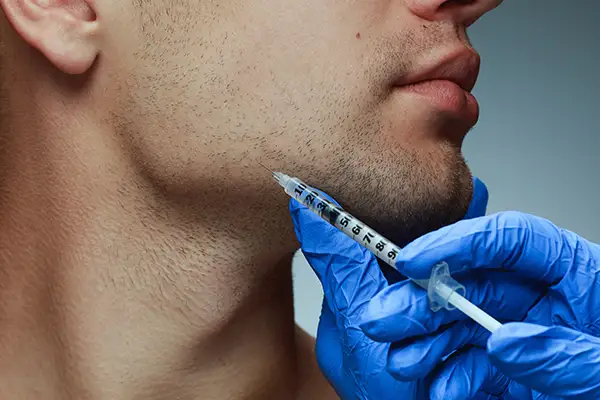 Botox for TMJ is one of those treatments that catches most patients in Madison, AL off guard, because they only know Botox as a cosmetic wrinkle treatment. The same medication that smooths forehead lines also has a well-established role in calming the overactive jaw muscles that drive clenching, grinding, and chronic jaw discomfort. If you’ve been told you have a TMJ disorder, or you’ve been waking up with a sore jaw and tension headaches, it’s worth understanding what Botox actually does at the muscle level and where it fits into a broader treatment plan.
At Singing River Dentistry in Madison, our team often hears the same questions: Is it safe? Will my face look frozen? Will I still be able to chew? This article walks through the mechanism in plain language, explains who tends to benefit, and lays out what to expect from a treatment visit. If you’d like to read more about our approach first, you can also visit our Botox for TMJ and facial tension page.
On This Page
How Botox Works on the Jaw Muscles
 The muscles that close your jaw, primarily the masseter on the side of the cheek and the temporalis along the temple, are some of the strongest muscles in the body for their size. In people with TMJ disorder, those muscles often fire too hard, too often, or both. The result is a pain-spasm cycle: muscles that stay partially contracted, spread tension into the joint and surrounding tissues, get fatigued, and then hurt even more.
Botox is botulinum toxin type A. When injected in small, targeted doses into a muscle, it blocks the chemical signal between the nerve ending and the muscle fiber, which reduces how forcefully that muscle can contract. The key word is “reduces.” The masseter doesn’t go offline. You can still chew, talk, smile, and yawn normally, because the muscle keeps enough of its function to do its job. What it loses is the excess clenching force that’s causing the discomfort.
That selectivity is why Botox has become a valuable tool for chronic jaw clenching. It quiets the overactive muscle without numbing the joint, without sedating you, and without the side effects of long-term oral medication.
What Botox for TMJ Can Help (and What It Can’t)
Botox isn’t the right answer for every type of jaw discomfort, and being honest about that matters. It tends to help patients whose symptoms come primarily from muscle overactivity, including:
| • |
Chronic jaw soreness and fatigue - especially the kind that’s worse in the morning or after a stressful day
|
| • |
Severe nighttime grinding - particularly when a night mouth guard alone isn’t enough to break the pattern
|
| • |
Tension headaches with a jaw component - headaches centered around the temples that worsen when you clench
|
| • |
Visible jaw widening from masseter hypertrophy - the squared-off jawline that develops when the chewing muscle bulks up from constant clenching |
What Botox doesn’t address is the structural side of TMJ disorder. If the joint itself has internal derangement, advanced arthritis, or a displaced disc, relaxing the muscle helps with symptoms but doesn’t fix the underlying mechanics. It also doesn’t treat the root cause when the real driver is stress, untreated sleep-disordered breathing, or a bite that’s grinding teeth out of position. For ongoing bruxism management, Botox is one tool in a bigger toolkit, not a replacement for the rest of it.
What the Treatment Visit Looks Like
A Botox visit for TMJ is short, and most people are surprised by how routine it feels. After a clinical exam to confirm Botox is appropriate, our team marks several injection sites along the masseter on each side, and sometimes the temporalis if those muscles are also involved. The injections themselves are small, similar in feel to a quick pinch, and the entire process usually takes 10 to 15 minutes.
There’s no sedation needed and no recovery time. You can drive yourself home, return to work, and eat normally that same day. We do ask patients to avoid heavy massage of the area, vigorous exercise, and lying flat for several hours after the appointment, simply to keep the medication settled in the target muscle.
Side effects are uncommon and tend to be minor: brief tenderness at the injection points, occasionally a small bruise, or a sense of mild muscle weakness in the first few days as the medication takes hold.
Timeline: When Relief Begins and How Long It Lasts
Botox doesn’t work instantly. Most patients notice the first changes between days three and seven, with the full effect peaking around two weeks. Once it’s working, the muscle force is reduced enough that the pain-spasm cycle starts to break, clenching at night becomes less forceful, and morning soreness eases.
The effect generally lasts about three to four months. As the nerve-to-muscle signaling gradually returns, the muscle reactivates to its previous level, and symptoms can come back if the underlying habits and triggers haven’t been addressed. Many patients schedule retreatment at roughly the three-month mark to maintain results, though some find that the muscle reconditions over time and they can extend the interval between visits.
Why Botox Works Best as Part of a Broader TMJ Plan
The patients who get the most lasting benefit from Botox are usually the ones who pair it with other care. Botox calms the muscle. The other pieces of the plan address why the muscle was overactive to begin with.
A custom TMJ treatment plan often combines several of the following:
| • |
An occlusal night guard - to protect the teeth and reduce force during sleep
|
| • |
Bite and occlusion evaluation - to see whether the way the teeth come together is contributing to the strain
|
| • |
Stress and habit awareness - identifying daytime clenching, posture issues, or jaw-tightening behaviors during focused work
|
| • |
Sleep evaluation - because untreated sleep-disordered breathing is a common, often missed driver of nighttime grinding
|
| • |
Physical therapy and jaw stretches - for muscle reconditioning between treatments |
Used this way, Botox isn’t a standalone fix. It’s a fast-acting reset that lowers the muscle’s baseline tension while the rest of the plan does the slower work of changing the pattern. Patients who think of it that way tend to have better long-term outcomes than those who treat it as a one-time injection and stop there. For nighttime grinding in particular, our guidance on teeth grinding solutions covers the other options worth considering alongside Botox.
Talking With Your Madison Dentist About Botox for TMJ
If chronic jaw discomfort, clenching, or grinding has been wearing on your daily life, a conversation with our team is the right first step. We’ll look at your symptoms, examine your bite and jaw mechanics, and talk through whether Botox is a fit for your situation or whether a different approach makes more sense. Call our Madison office at 256-653-9830 or learn more about us on the Singing River Dentistry homepage.
Frequently Asked Questions
Is Botox for TMJ safe?
Botulinum toxin type A has been used in medicine for decades and has a long safety record when administered by trained providers in appropriate doses. Side effects in the masseter are usually limited to mild bruising or temporary tenderness. Your dentist will review your medical history before treatment to confirm it’s appropriate for you.
Will Botox in my jaw change how my face looks?
For most people, no. Doses used for TMJ are calibrated to relax the chewing muscle without freezing your expression. Some patients with significant masseter hypertrophy actually appreciate the gradual slimming of the lower face that comes from the muscle returning to a more typical size.
Can I still chew normally after Botox?
Yes. Botox reduces the excess force of the muscle, not its basic function. Eating, talking, smiling, and yawning continue as usual. Some patients notice slightly less jaw fatigue when chewing tough foods, which they tend to consider a benefit.
How often do I need to repeat the treatment?
Most patients return every three to four months when first starting treatment. Over time, as clenching habits change and the muscle reconditions, some patients find they can extend the interval between visits.
Will my dental insurance cover Botox for TMJ?
Coverage varies. Some medical and dental plans cover Botox when it’s used as part of a documented TMJ treatment plan, while others consider it elective. Our front desk team in Madison can review your specific plan and walk through your options before treatment. |
|

