Why You Should Never Ignore Bleeding Gums
Posted on 4/9/2026 by Singing River Dentistry Madison |
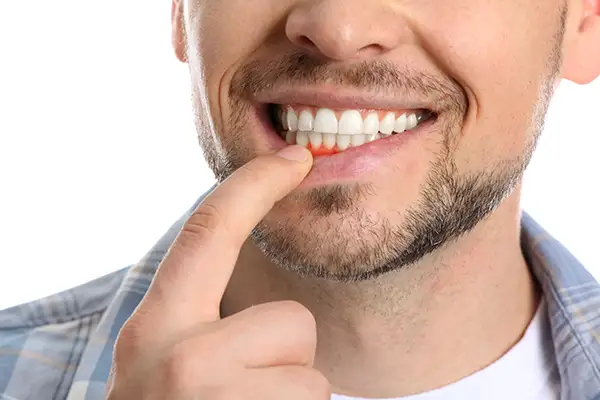 Bleeding gums are one of the most common warning signs the body sends about oral health, and identifying the cause early is the difference between a quick fix and a serious long-term problem. Here’s the truth: healthy gums don’t bleed. If yours do, something is going on that deserves attention, and in most cases the cause is straightforward and reversible when addressed early.
This article walks through what bleeding gums actually mean, the most common causes (some minor, a few serious), and what to do about them. At Singing River Dentistry in Madison, AL, our team sees patients every week who’ve been ignoring this signal for months or years. The good news: caught early, the cause is usually mild and the fix is largely in your own hands. When home care alone isn’t enough, we offer dedicated periodontal care and gum health treatment to help patients restore healthy tissue.
On This Page
Why Bleeding Gums Are Never Normal
 The idea that “everyone’s gums bleed a little” is one of the most stubborn misconceptions in oral health. It feels true because so many people experience it, but common is not the same as normal. Healthy gum tissue is firm, light pink, and stays in place during routine brushing and flossing without bleeding.
When gums bleed, it’s almost always because of inflammation. The blood vessels in inflamed tissue become fragile and leak under even gentle pressure. That inflammation is the body’s response to something that doesn’t belong, most often plaque bacteria that have been allowed to collect along the gumline.
The encouraging part is that early gum problems are usually reversible. Catching bleeding gums in the first stages, before they progress, makes a major difference in how easily they can be turned around.
The Most Common Causes of Bleeding Gums
There are a handful of reasons your gums might bleed, ranging from mild and easily corrected to serious enough to warrant prompt professional attention. Understanding which category your situation falls into is the first step.
Gingivitis, the most frequent cause
By far the most common reason gums bleed is gingivitis, the earliest stage of periodontal disease and chronic gum infection. Plaque builds up at the gumline, bacteria release toxins, and the gum tissue responds with inflammation. The result is red, puffy, tender gums that bleed easily during brushing or flossing.
The encouraging news about gingivitis is that it’s fully reversible. With thorough professional cleaning and consistent home care, gum tissue can return to a healthy state within a couple of weeks. There’s no bone loss yet and no permanent damage to undo.
Brushing too aggressively
Vigorous brushing can cause bleeding even when no underlying disease is present. Many patients in Madison assume that scrubbing harder gets teeth cleaner, but the opposite is often true. Aggressive brushing irritates the gum margin, wears down enamel at the gumline, and can actually push bacteria deeper into the sulcus. The fix isn’t to brush less, but to brush gently with a soft-bristled brush, using small circular motions rather than a sawing motion.
Starting a new flossing routine
If you’ve recently added flossing to your routine, or returned to it after a long break, some bleeding for the first one to two weeks is normal as inflammation subsides. Counterintuitively, this kind of bleeding is a sign of healing, not damage. As the gums adjust to regular cleaning along the gumline, the bleeding fades. If it persists beyond two weeks of consistent, gentle flossing, that’s when it’s time to investigate further.
Hormonal changes
Pregnancy, puberty, and menopause all bring hormonal shifts that can make gums more sensitive and reactive. “Pregnancy gingivitis” is common enough that it has its own name. Hormones don’t cause gum disease on their own, but they amplify the response to whatever plaque is present, which is why consistent home care during these times is especially important. We often discuss this with patients and adjust the cleaning schedule when needed.
Medications, especially blood thinners
Anticoagulants like warfarin, certain aspirin regimens, and newer medications such as apixaban or rivaroxaban can all make gums bleed more easily. The bleeding itself usually isn’t the medication’s fault: the medication is revealing inflammation that’s already there. Other medications, including some used for high blood pressure and seizures, can also cause gum overgrowth that traps plaque and worsens bleeding. Always tell your dentist about every medication you take.
When Bleeding Gums Signal Something Serious
Most bleeding gums fall into the categories above, all of which are manageable. A smaller percentage of cases point to conditions that need prompt attention.
If gingivitis is ignored long enough, it can progress to periodontitis. At this stage, the inflammation moves below the gumline, the supporting bone begins to deteriorate, and the damage becomes permanent. Bleeding tends to continue and worsen, often along with gum recession, persistent bad breath, looseness of the teeth, or pus along the gumline. Once the disease reaches this point, ongoing periodontal maintenance becomes essential to keep it from advancing further.
In rare cases, persistent bleeding gums can also signal systemic issues. Leukemia, certain bleeding and clotting disorders, severe or poorly controlled diabetes, and significant vitamin C deficiency can all cause gum bleeding that doesn’t respond to improved oral hygiene. If your gums are bleeding heavily, bleeding spontaneously without brushing, or bleeding alongside other unusual symptoms like fatigue, unexplained bruising, or fever, contact your physician as well as your dentist.
What to Do When Your Gums Bleed
 The first response should never be to stop brushing or flossing in the area that bleeds. That’s the single worst thing you can do, because backing off lets more bacteria collect and the inflammation deepens. Instead, work through this short checklist:
- Check your technique. Switch to a soft-bristled toothbrush if you aren’t already using one. Hold it at a 45-degree angle to the gumline and use gentle, small circles rather than hard back-and-forth strokes.
- Floss every day, gently. Slide the floss between teeth without snapping it down onto the gum. Curve it around each tooth in a C-shape and slide it up and down along the side.
- Give it two weeks. Consistent, gentle daily cleaning is the test. If bleeding fades within two weeks, gingivitis was the likely cause and your new habits are doing their job.
- Schedule a professional cleaning. If bleeding doesn’t resolve within two weeks of solid home care, the plaque has likely hardened into tartar, which can’t be removed at home. A professional teeth cleaning appointment is the next step.
For patients who want to step up their routine before that two-week check, we share more detailed dental hygiene tips and home care guidance with anyone who asks. Small adjustments to how often, when, and with what tools you clean can make a noticeable difference.
It also helps to know when to flag things to your dentist. Bring up any new medication, recent illness, pregnancy, or family history of gum disease at your next visit. Context shapes how we interpret what we see in your mouth.
Taking the Next Step
Bleeding gums are a signal worth listening to. In most cases they’re telling you the gumline needs a little more attention, and the situation responds quickly to better home care and a routine cleaning. If yours have been bleeding for more than a couple of weeks, or you’ve noticed any of the more serious warning signs, our team at Singing River Dentistry in Madison, AL is here to take a closer look. Call us at 256-653-9830 or visit the Singing River Dentistry homepage to learn more about our team and how we can help.
Frequently Asked Questions
Is it normal for gums to bleed when I floss?
Some bleeding for the first one to two weeks of a new flossing routine is common as inflammation calms down, and it’s often a sign of healing rather than damage. Bleeding that continues beyond two weeks of consistent, gentle flossing is not normal, and usually points to gingivitis or another underlying issue that should be evaluated at a routine dental exam.
Can bleeding gums heal on their own?
Early-stage bleeding from gingivitis often improves substantially within one to two weeks of thorough daily brushing and flossing. However, if plaque has already hardened into tartar, no amount of home care can remove it, and a professional cleaning is needed. Bleeding that persists despite good home care needs in-office attention.
Should I stop brushing where my gums bleed?
No. Backing off the area only allows more plaque to collect and makes the inflammation worse. Instead, keep cleaning the area thoroughly but gently with a soft-bristled brush. If bleeding doesn’t calm down within two weeks, schedule a visit.
Does mouthwash help with bleeding gums?
An antimicrobial mouthwash can support efforts to reduce bacteria, but it doesn’t replace mechanical cleaning. Brushing and flossing physically disrupt plaque in ways that rinsing alone cannot. Mouthwash works best as an addition to a thorough brushing and flossing routine, not a substitute for it.
Are bleeding gums always a sign of gum disease?
Not always, but most of the time, yes. Gingivitis, the earliest and most reversible form of gum disease, is by far the most common cause. The bleeding stage is one of the most important opportunities to catch the problem before it progresses to periodontitis, where the damage becomes permanent.
|
|

