How to Clean Invisalign Trays Without Damaging Them
Posted on 7/8/2026 by Singing River Dentistry Madison |
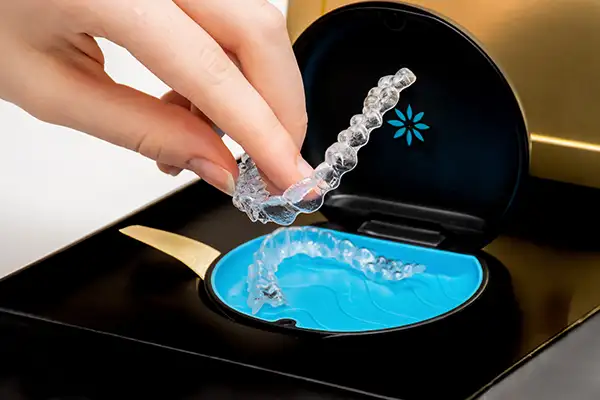 Learning how to clean Invisalign trays the right way is one of the most important habits of clear aligner treatment, and at Singing River Dentistry in Madison, AL, it’s something our patients ask about at almost every visit. Your aligners spend 20 to 22 hours a day pressed against your teeth, which means whatever sits on the trays also sits on your enamel. A consistent cleaning routine keeps your aligners clear, odor-free, and tracking your teeth the way they were designed to.
The good news is that clean aligners do not require expensive products or complicated routines. Most of the work happens in under two minutes a day, with the right techniques applied at the right times. The harder part is that a few well-meaning habits, like rinsing with hot water or scrubbing with toothpaste, quietly damage trays over time without giving you any obvious warning.
This guide walks through the daily routine, the deeper soak, the things to skip entirely, and the small real-world habits that keep Invisalign clear aligner treatment on schedule.
On This Page
Why Clean Aligners Matter More Than You Think
A clean aligner is not just about appearance. Because Invisalign trays sit tightly against your teeth for most of the day, anything trapped between the tray and your enamel gets held there for hours at a time. Bacteria, food residue, saliva proteins, and sugars all build up quickly, and an uncleaned tray turns into a small reservoir of plaque sitting directly on your teeth.
That has three practical consequences. First, trays start to look cloudy, then slightly yellow, then visibly stained, which defeats the whole point of choosing a discreet treatment. Second, the bacteria buildup leads to noticeable odor, sometimes within a single day of inconsistent cleaning. Third, and most importantly, plaque held against the enamel raises the risk of cavities and gum irritation in places that brushing alone may not reach.
There is also a treatment-progress issue. A tray that has warped from heat, cracked from rough scrubbing, or stretched from improper storage no longer fits your teeth precisely. When the fit changes, the planned tooth movement built into how Invisalign works is disrupted, and you can lose days or weeks of progress before anyone notices.
Your Daily Cleaning Routine
 Each time your trays come out, you have a small window to clean them well before bacteria settle into the surface. The most important step happens within seconds of removal: rinse the aligners under cool water immediately. Cool, not hot. This single habit washes away most of the saliva film and loose debris before any of it has the chance to dry on.
In the morning, after that initial rinse, gently brush each tray with a soft-bristled toothbrush and a small amount of clear, unscented hand soap or a cleaner labeled specifically for aligners. Brush in slow, light strokes on the inside and outside of each tray. Rinse thoroughly under cool running water and pat dry before slipping the trays back in.
Whenever the aligners come out for a meal, give them a quick rinse before they go back into your mouth. If you cannot brush your teeth right after eating, at least swish water around your mouth so you are not sealing food and sugar against your enamel for the next several hours. Consistent rinsing handles the bulk of daily aligner care; the deeper soak handles what rinsing cannot.
The Deeper Daily Soak
Once a day, your trays benefit from a soak that brushing alone cannot replicate. The official Invisalign cleaning crystals are formulated for this purpose, and most aligner-safe cleaning tablets work similarly. Drop the recommended packet or tablet into a small container of lukewarm water, place both trays in, and let them sit for the time listed on the packaging, usually around fifteen minutes.
The reason this matters is that aligner plastic has a slightly textured microsurface. Brushing addresses what your eye can see, while soaking dissolves the protein and biofilm layers that have settled into the grooves your toothbrush cannot reach. Patients who soak consistently almost never have aligner odor or visible staining.
When the soak finishes, rinse the trays under cool water before re-inserting them. Never reuse the soaking solution, and never assume that doubling the soak time will improve results. A longer soak is not a stronger soak, and prolonged exposure to some cleaners can dull the plastic. If you are unsure which products are safe, our team is happy to recommend options that work well with your specific aligners.
Cleaning Habits and Products to Avoid
Even well-intentioned cleaning can damage trays if the wrong tools or products are involved. A few habits are worth retiring entirely:
| • |
Hot water – Heat warps the thin plastic permanently, even in a few seconds. Never rinse, soak, or store trays in anything warmer than tepid water.
|
| • |
Toothpaste – Most toothpaste is mildly abrasive, which creates micro-scratches that hold bacteria and dull the surface over time.
|
| • |
Colored mouthwash – Dyes leach into the aligner material and create stains that no cleaner can lift.
|
| • |
Standard denture cleaners – Unless a product is labeled aligner-safe, the chemistry is often too harsh for the thinner Invisalign material.
|
| • |
Boiling, microwaving, or dishwashing – All three rely on heat, all three warp aligners, and none of them sanitize trays in a useful way.
|
| • |
Letting trays dry out – Aligners can warp or shrink slightly if stored bone-dry between wears. Keep a tiny amount of moisture in the case if you will be without them for several hours. |
Skipping these six habits eliminates the most common sources of aligner damage we see. If something on this list has been part of your routine, the good news is that the change is usually quick once you switch to a soft toothbrush, clear hand soap, and lukewarm water.
Real-Life Habits That Protect Your Aligners
 The cleaning routine matters, but so do the everyday habits that surround it. The single most common way patients lose or damage trays is wrapping them in a napkin at a restaurant. The napkin gets cleared, the trays get thrown out, and we are scheduling a replacement set. Carrying your case with you everywhere is the simplest fix, and it doubles as a clean place to set your trays during meals.
Cases themselves are worth replacing every few months, especially if yours has started to look stained or smell musty inside. A clean case is part of a clean aligner. Quickly washing the case with soap and water once a week, then letting it air-dry open, keeps it from becoming the very source of bacteria your aligners are trying to avoid.
It also helps to know what is normal as you near the end of each tray. Aligners cycle out on a planned schedule, and a tray that looks slightly worn or cloudier than it did on day one is not a failure of your cleaning routine. It is the plastic doing what it was designed to do. If a tray cracks, fits poorly, or develops an odor that will not rinse away, that is the point to call us. Patients also ask about long-term storage of post-treatment trays, which is covered in more depth in our guide to post-Invisalign retainer care.
Keeping Your Madison Invisalign Treatment on Track
If you have questions about your trays, your cleaning routine, or your next set, our team in Madison is glad to walk you through it. Call 256-653-9830 or visit our Singing River Dentistry homepage to set up a quick check-in.
Frequently Asked Questions
Can I use mouthwash to soak my Invisalign trays?
Most mouthwashes are not a good choice for soaking aligners. Colored varieties stain the plastic, and the alcohol content in many formulations can dry out and dull the trays over time. A dedicated aligner cleaning crystal, tablet, or mild clear hand soap is a safer option.
Is it okay to drink coffee with my aligners in?
Plain cool water is the only beverage you should drink with aligners in. Coffee, tea, soda, and wine all stain the trays quickly and can also damage the plastic with heat or sugar. Take the trays out for these drinks, then rinse them and your mouth before reinserting. For ongoing care between cleanings, our dental hygiene tips guide has additional support.
What should I do if my aligners start to smell?
Odor almost always means bacteria has built up on the trays or in the case. A thorough soak in aligner cleaning crystals, a gentle brush with soft bristles and clear soap, and a fresh or freshly washed case usually resolves it within a day. If the smell returns quickly, give us a call so we can take a look.
Are denture cleaners safe for Invisalign?
Only if the product is specifically labeled aligner-safe. Standard denture cleaners are designed for thicker acrylic appliances and can be too harsh for the thinner Invisalign material, which can lead to cloudiness and a brittle feel.
How often should I replace my aligner case?
Every few months is a reasonable cadence, or sooner if the case starts to look stained or smell musty. Quickly washing it weekly with soap and water and letting it air-dry between uses extends its useful life and keeps it from contaminating clean trays. |
|

