Pain After a Root Canal: A Realistic Recovery Timeline
Posted on 9/24/2026 by Singing River Dentistry Madison |
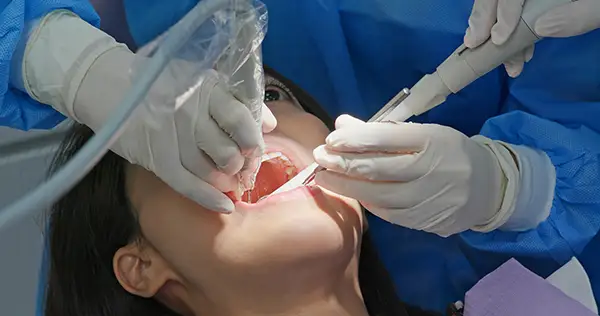 If you’re worried about pain after a root canal in Madison, AL, the realistic timeline is almost always shorter and milder than the procedure’s reputation suggests. Most patients report less discomfort than they expected, and relief from the original toothache that brought them in often outweighs the post-procedure tenderness within a day or two. The horror stories you may have heard come from an older era of dentistry. Today’s techniques, instruments, and anesthesia have changed the experience considerably.
This guide gives you an honest day-by-day breakdown of what most patients feel after a root canal procedure, what’s normal at each stage, and when something is worth a phone call. At Singing River Dentistry, we walk through this timeline before every root canal so patients can leave with realistic expectations and the right plan for the next few days.
On This Page
Reputation vs. Reality
Most patients arrive for a root canal already nervous because of stories they’ve heard from friends, family, or the internet. The reality, told honestly: modern root canal therapy is one of the most predictable, well-tolerated procedures in dentistry. Local anesthesia keeps you comfortable during the appointment, and rotary instruments combined with digital imaging have made the procedure both faster and gentler than it was a generation ago.
There’s another factor that’s easy to miss. Most people come in for a root canal because of significant tooth discomfort, often throbbing, sensitivity to hot, or a lingering ache after eating. The procedure removes the source of that discomfort, which is the inflamed or infected tissue inside the tooth. Once that’s gone, the underlying ache usually fades quickly. What remains is mild post-procedure tenderness, and that’s much more manageable than the toothache that sent you in.
We hear it from patients constantly: “That was easier than I expected.” If you’re bracing for the worst, the day-by-day timeline below should reset your expectations to something closer to reality.
Day 1: The First Hours at Home
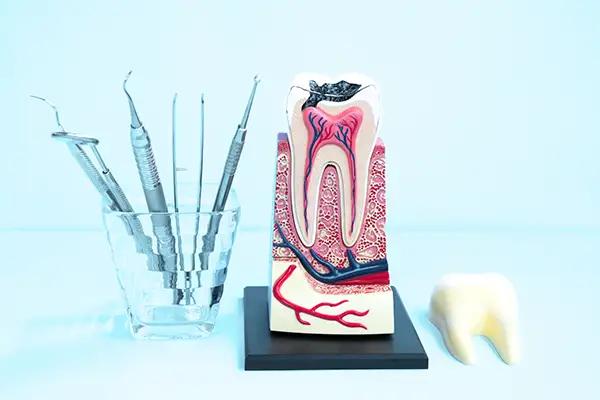 The anesthesia from your appointment will keep the tooth and the side of your mouth numb for two to four hours after you leave. Until full feeling returns, avoid chewing on that side and be careful with hot drinks, since you may not feel temperature accurately and could burn your cheek or tongue without realizing it. Soft foods on the opposite side are the safest choice for the rest of the day.
As the numbing wears off, mild tenderness when pressing on the tooth is normal. The most common complaint is a dull ache or a feeling of pressure around the treated tooth and the ligament that holds it. An over-the-counter pain reliever taken about an hour before the numbness fully wears off prevents most of this discomfort. Ibuprofen works particularly well for this kind of inflammatory soreness, but follow the dosing on the package and check with your physician if you have any conditions that affect what you can safely take.
Most patients are able to work, run errands, and go about a normal evening on day one. You won’t need to lie down for the rest of the day. The biggest restriction is simply to avoid chewing directly on the treated tooth until the permanent restoration is placed.
Days 2–3: Tenderness That Tapers
Days two and three are usually the peak window for any lingering tenderness, though “peak” is still well within the range of mild discomfort for most patients. The most common feeling is a bruised sensation when you bite directly on the treated tooth, similar to how a tooth feels for a day or two after an unusually hard chewing session. Many patients describe it as noticeable but not bothersome.
The discomfort usually stays within the range that an over-the-counter pain reliever handles easily. Some patients find that alternating ibuprofen and acetaminophen on a regular schedule for the first 48 hours works better than taking either one alone, but most do fine with a single dose as needed. Continued chewing on the opposite side, soft foods near the treated tooth, and gentle brushing and flossing keep things on track.
By the end of day three, most patients notice clear improvement compared to day two. If discomfort is getting worse rather than slowly fading by this point, it’s worth a phone call, and we cover the specific signs to watch for further down. You can also read more about diagnosing and treating different sources of tooth discomfort in our guide to toothache diagnosis and treatment.
Days 4–7: Back to Normal
By day four, the majority of patients are essentially comfortable during routine activities. There may still be mild sensitivity when you chew aggressively on the treated tooth or bite into something firm, but the everyday feeling of the tooth has usually returned to neutral. By the end of the first week, most patients aren’t thinking about the tooth at all unless something specific reminds them.
This is the stage where it’s easy to forget you had a procedure. A few practical reminders still apply: keep chewing on the opposite side when you can, avoid hard foods like ice or popcorn kernels on the treated tooth, and stay on top of your normal brushing and flossing routine. The tooth at this point still has a temporary filling or restoration over the access point and is more fragile than a tooth with a permanent crown, which is the next step in the process.
Weeks 2–4: Crown and Final Comfort
A tooth that has had a root canal needs a permanent restoration, almost always a crown, to protect it from fracture in the long term. The crown is usually placed a few weeks after the root canal at a separate appointment. In some cases, particularly with front teeth, a simpler restoration may be enough, but for back teeth that absorb most of the chewing force, a permanent crown is standard care.
Once the crown is placed, the tooth is essentially back to normal function. You can chew on it like any other tooth, brush and floss it normally, and forget that anything happened to it. Some patients notice the bite feels slightly different for a day or two as your mouth adjusts to the new crown, and a quick adjustment visit can fine-tune anything that feels off. From that point on, the tooth behaves like a regular tooth as long as you maintain good home care and routine checkups.
When to Call Our Office
Most root canal recoveries follow the timeline above, but a small percentage of patients run into something that needs attention. Call our office if you notice severe and increasing discomfort instead of gradual improvement after the first 48 to 72 hours, since recovery should trend down, not up. New or worsening swelling in the cheek, gum, or jaw on the side of the treated tooth is another reason to call, as is fever, chills, or feeling generally unwell, which can suggest infection.
Severe sensitivity to hot foods or drinks is also worth a call, since hot sensitivity should fade quickly after the procedure, not get worse. The same goes for a temporary filling or restoration that comes loose or falls out before the permanent crown is placed.
A short phone call lets us decide whether you need to be seen, whether a prescription is appropriate, or whether what you’re feeling is within the normal recovery window. If anxiety about a dental visit is part of what’s holding you back from reaching out, our overview of anxiety-free dental visits covers the comfort options available before any procedure. For more serious infections that develop, our dental abscess treatment page goes deeper into what’s involved.
If You’re Considering a Root Canal
A realistic understanding of the recovery timeline is one of the best ways to take the fear out of a root canal. Most patients walk away surprised by how manageable it was, especially compared to the toothache that brought them in. If you’re weighing a root canal in Madison or want to talk through what to expect for your specific tooth, the team at Singing River Dentistry is happy to help. Call us at 256-653-9830 or request an appointment to get started.
Frequently Asked Questions
How long does discomfort after a root canal really last?
For most patients, noticeable tenderness lasts about two to three days and fades to occasional twinges by the end of the first week. The peak is usually on days two and three, when biting on the treated tooth feels bruised. By the time you receive your permanent crown a few weeks later, the tooth usually feels completely normal.
What’s the best over-the-counter pain reliever after a root canal?
Ibuprofen is often the most effective over-the-counter option because it reduces inflammation, which is the source of most post-procedure tenderness. Acetaminophen works well too, and some patients find that alternating the two on a schedule helps for the first day or two. Always follow the package dosing and check with your physician if you have conditions that affect what you can take.
Can I go back to work the day after a root canal?
Most patients return to work the same day or the next day without trouble. The main restriction is avoiding chewing on the treated side, which is easy to manage at the office. If you had sedation beyond local anesthesia for the procedure, follow the specific instructions you were given about driving and activity for the rest of that day.
Is it normal to still feel something when biting a week later?
Mild sensitivity to firm biting can linger for a week or two and is usually not a cause for concern. The ligament around the tooth was irritated during the procedure and takes a little time to fully calm down. If the sensation is getting worse, or if you feel pressure, throbbing, or swelling, give us a call.
Why does the tooth need a crown after a root canal?
A tooth that has had a root canal is more brittle than a vital tooth because it no longer has its internal blood supply. A crown protects it from fracture under normal chewing forces and seals the access point against bacteria. Skipping the crown is the most common reason a successful root canal eventually fails years later. |
|

