Removal of Third Molars or Wisdom Teeth
Posted on 8/15/2026 by Singing River Dentistry - Muscle Shoals |
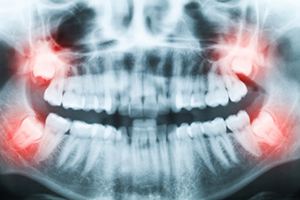 Let's talk about wisdom teeth! These molars are the last teeth to erupt, usually popping up in your late teens or early twenties. Sometimes, they come in without any issues, fitting nicely into your jaw and working well with your other teeth. However, in many cases, wisdom teeth can cause problems, leading to the need for removal. Let's talk about wisdom teeth! These molars are the last teeth to erupt, usually popping up in your late teens or early twenties. Sometimes, they come in without any issues, fitting nicely into your jaw and working well with your other teeth. However, in many cases, wisdom teeth can cause problems, leading to the need for removal.
Why Remove Wisdom Teeth?
One of the main reasons for extraction is impaction. This happens when there isn't enough room in your jaw for the wisdom teeth to erupt properly. They might get stuck (impacted) against other teeth, bone, or soft tissue. This can cause pain, swelling, infection, and even damage to nearby teeth.
Another reason is misalignment. Even if wisdom teeth do erupt, they might come in at an awkward angle, pushing against other teeth and disrupting your bite. This can lead to difficulty chewing, jaw pain, and an increased risk of tooth decay.
Pericoronitis is another common issue. This is an infection of the gum tissue surrounding a partially erupted wisdom tooth. Because it's hard to clean around these teeth, bacteria can accumulate, leading to inflammation, pain, and a bad taste in your mouth.
Finally, cyst formation is a less common, but still important, reason for removal. A cyst is a fluid-filled sac that can develop around an impacted wisdom tooth. If left untreated, cysts can damage the jawbone, nerves, and surrounding teeth.
What to Expect During the Process
The decision to remove wisdom teeth is typically made after a thorough examination, including x-rays. Your dentist will evaluate the position of your wisdom teeth, assess any potential risks, and discuss the best course of action with you.
The extraction process itself is usually performed by an oral surgeon or a general dentist with experience in oral surgery. Before the procedure, you'll receive anesthesia to numb the area or, in some cases, be sedated to help you relax.
The surgeon will then carefully remove the wisdom teeth. This may involve making a small incision in the gum tissue and, in some cases, removing a small amount of bone to access the tooth. After the teeth are removed, the area is cleaned and stitched closed.
Aftercare is Key
Following the extraction, it's important to follow your dentist's instructions carefully to ensure proper healing. This typically includes:
| • |
Taking prescribed pain medication as needed. |
| • |
Applying ice packs to the face to reduce swelling. |
| • |
Eating soft foods for the first few days. |
| • |
Avoiding strenuous activity. |
| • |
Rinsing gently with warm salt water. |
| • |
Maintaining good oral hygiene. |
Are Wisdom Teeth Removal Always Necessary?
Not always. If your wisdom teeth erupt fully and properly align, and you can keep them clean, they may not need to be removed. However, regular dental checkups and x-rays are essential to monitor their position and health.
Ultimately, the decision to remove wisdom teeth is a personal one that should be made in consultation with your dentist. They can assess your individual situation and help you make the best choice for your oral health.
|
|