Posted on 1/1/2026 by Singing River Dentistry - Athens
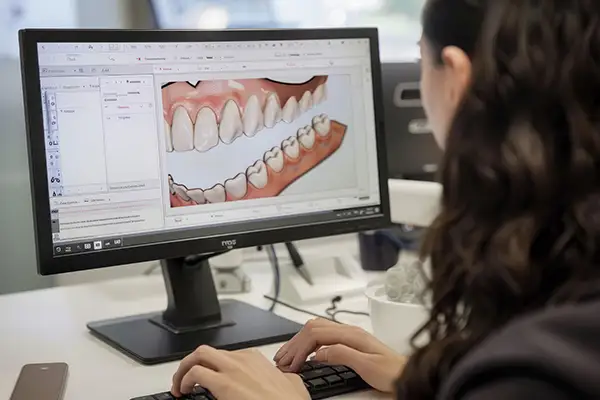
Let's talk about a procedure some people might need to save their teeth: an apicoectomy. Maybe you've heard the term, or maybe you haven't. Either way, understanding what it is and why it's done can help you feel more confident about your oral care.
What is an Apicoectomy?
Imagine your tooth has roots that extend into your jawbone. At the very tip of these roots (the apex), problems can sometimes develop. An apicoectomy is a surgical procedure where the very tip of the tooth root is removed, along with any infected tissue around it. It’s like a tiny cleanup operation inside your mouth!
Why Might You Need One?
So, why would someone need this procedure? Usually, it’s because of a persistent infection after a root canal. Root canals are designed to clean out infected pulp (the soft tissue inside the tooth). However, sometimes the infection can linger, even after a root canal has been done properly. This can happen for a few reasons:
•
Complex Root Anatomy: Some teeth have complicated root shapes with tiny, hard-to-reach canals. Even with the best techniques, bacteria can hide in these areas.
•
Cracks or Fractures: Small cracks in the tooth root can also harbor bacteria, making it difficult to completely eliminate infection.
•
Previous Root Canal Failure: Sometimes, a previous root canal might not have been entirely successful, leading to a recurring infection.
In these situations, an apicoectomy offers a way to address the infection at the root tip that regular root canal treatment can't reach. Without it, the infection could spread and potentially affect other teeth or even your overall health.
The Apicoectomy Procedure
The procedure itself is usually performed by an endodontist (a root canal specialist) or an oral surgeon. The area is numbed with local anesthetic, so you won't feel any pain. A small incision is made in the gum tissue to expose the bone and root tip. The infected tissue and the tip of the root are then removed. A small filling is placed to seal the end of the root, preventing future infection. Finally, the gum tissue is stitched back into place.
After the Procedure
Following the apicoectomy, you'll receive instructions for proper oral care. This typically includes things like:
•
Taking prescribed pain medication
•
Using an antibacterial mouthwash
•
Eating soft foods
•
Avoiding strenuous activity
The recovery period is generally fairly short, and most people can return to their normal routines within a few days.
Alternatives and the Importance of Saving Your Natural Teeth
While dental implants are an option to replace teeth, saving your natural teeth is always the preferred route. Apicoectomies are a key part of restoration dentistry as they aim to preserve the natural tooth structure. Alternatives depend on the individual case.
Maintaining Good Oral Health
Preventing the need for procedures like apicoectomies starts with good oral care. This means brushing twice a day, flossing daily, and visiting your dentist regularly for checkups and cleanings. Addressing dental problems early on can often prevent them from escalating into more serious issues that require more extensive treatment.
About Us - Athens AL | Singing River Dentistry Visit here for more information about the dentists, professional team, and latest technology at our Athens, GA dental clinic. Singing River Dentistry-Athens, 22026 Gateway Blvd Ste A, Athens, AL 35613 : 256-867-0090 : athens.singingriverdentistry.com : 10/1/2026 : Key Phrases: dentist Athens AL :


 Let's talk about a procedure some people might need to save their teeth: an apicoectomy. Maybe you've heard the term, or maybe you haven't. Either way, understanding what it is and why it's done can help you feel more confident about your oral care.