Understanding Oral Cancer Biopsies
Posted on 2/2/2026 by Singing River Dentistry - Athens |
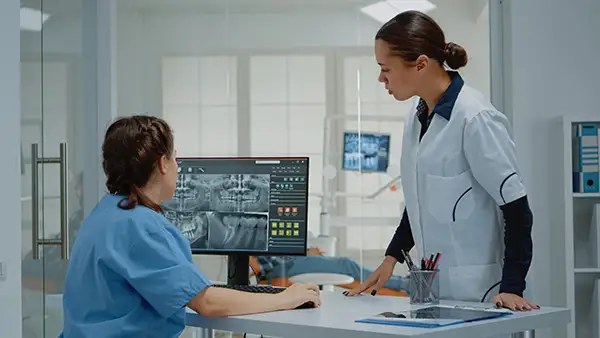 Worried about a suspicious spot in your mouth? Understanding the process of an oral cancer biopsy can ease some anxiety. This information explains what these biopsies are, why they're important, and what to expect. Early detection and diagnosis are critical for effective treatment, so let's explore this essential procedure. Worried about a suspicious spot in your mouth? Understanding the process of an oral cancer biopsy can ease some anxiety. This information explains what these biopsies are, why they're important, and what to expect. Early detection and diagnosis are critical for effective treatment, so let's explore this essential procedure.
What are Oral Cancer Biopsies?
Oral cancer biopsies are medical tests where a small piece of tissue is removed from a suspicious area in your mouth. This tissue is then examined under a microscope by a pathologist, a doctor who specializes in diagnosing diseases by looking at cells and tissues. The pathologist determines if the cells are cancerous, precancerous (meaning they have the potential to become cancerous), or non-cancerous.
These biopsies are the most reliable way to diagnose oral cancer. Other screening methods can identify areas of concern, but a biopsy provides a definitive answer.
Why are Biopsies Important?
Early detection of oral cancer significantly increases the chances of successful treatment. When cancer is found and treated in its early stages, patients generally have better outcomes. A biopsy allows for early diagnosis, even when the suspicious area appears small or doesn't cause any pain.
Think of it like this: catching a small problem early is always easier than dealing with a larger, more complex issue later on. Biopsies provide the information needed to make informed decisions about treatment and improve your overall prognosis.
When is a Biopsy Recommended?
Your dentist or oral surgeon might recommend a biopsy if they find an unusual sore, lump, white or red patch, or thickened area in your mouth that doesn't heal within a few weeks. Other signs that might warrant a biopsy include persistent hoarseness, difficulty swallowing, or numbness in the mouth. It's important to remember that many non-cancerous conditions can cause similar symptoms, so a biopsy is necessary to determine the exact cause.
It’s important to have regular dental check-ups. Your dentist is often the first line of defense in spotting anything that might be concerning.
What to Expect During the Procedure
The biopsy procedure itself is usually quick and relatively painless. Before the biopsy, the area will be numbed with a local anesthetic, similar to what you receive when getting a filling. This ensures you won't feel any pain during the procedure.
There are several types of oral cancer biopsies, and the type used will depend on the location and size of the suspicious area. Common types include:
| • |
Incisional Biopsy: A small piece of tissue is removed from the suspicious area. |
| • |
Excisional Biopsy: The entire suspicious area is removed, along with a small margin of surrounding tissue. |
| • |
Brush Biopsy: A special brush is used to collect cells from the surface of the area. This is often used as an initial screening tool, but a traditional biopsy may still be needed for a definitive diagnosis. |
After the biopsy, you may experience some minor discomfort, swelling, or bleeding. Your dentist or oral surgeon will provide instructions on how to care for the biopsy site. This may include rinsing with saltwater, taking pain medication, and avoiding certain foods or activities.
The Role of Prevention Dentistry and Oral Care
While biopsies are crucial for diagnosis, the best approach is always prevention. Practicing good oral care, including regular brushing, flossing, and dental check-ups, can help reduce your risk of developing oral cancer. Avoiding tobacco use and excessive alcohol consumption are also important preventative measures. Being proactive about your oral health is the best way to protect yourself.
|
|

