Posted on 3/2/2026 by Singing River Dentistry - Athens
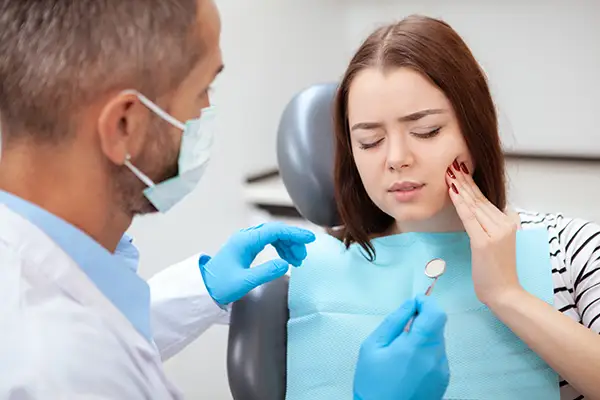
Getting a dental filling is a common experience, and it's a key part of restoration dentistry, helping to fix teeth damaged by cavities. While fillings are designed to make your mouth healthier, it's not unusual to experience some teeth pain afterward. Let's explore why this happens and what you can do about it.
Why Does My Tooth Hurt After a Filling?
It's helpful to understand that your tooth has been through a bit of a process. The dentist has removed decay, cleaned the area, and then placed the dental filling material. This can sometimes irritate the nerve inside the tooth, leading to sensitivity or pain.
There are a few main reasons why you might experience discomfort:
•
Inflammation: The process of cleaning out the cavity and placing the filling can cause inflammation in the tooth. This inflammation puts pressure on the nerve, which can result in pain.
•
Bite Sensitivity: Sometimes, the new filling might be slightly higher than the rest of your teeth. This can cause discomfort when you bite down, as the filled tooth is taking on more pressure than it should.
•
Referred Pain: You might feel pain in surrounding teeth, even if they weren't worked on. This is called referred pain and happens because the nerves in your mouth are interconnected.
•
Pulpitis: In rare cases, if the cavity was very deep, the pulp (the inner part of the tooth containing the nerve) can become inflamed. This is called pulpitis and can cause more intense and prolonged pain.
What Can I Do About the Pain?
The good news is that most post-filling pain is temporary and can be managed at home. Here are some tips:
•
Over-the-Counter Pain Relief: Medications like ibuprofen or acetaminophen can help reduce inflammation and alleviate pain. Follow the instructions on the label.
•
Saltwater Rinse: Gently rinse your mouth with warm salt water (about a half-teaspoon of salt in a cup of warm water) several times a day. This can help reduce inflammation and keep the area clean.
•
Avoid Extreme Temperatures: For a few days, try to avoid very hot or very cold foods and drinks, as these can trigger sensitivity.
•
Soft Foods: Stick to soft foods that don't require a lot of chewing. This will minimize pressure on the filled tooth.
•
Proper Oral Hygiene: Continue to brush and floss gently, paying attention to the area around the filling. Good oral hygiene helps prevent further irritation.
When Should I Contact My Dentist?
While some discomfort is normal, there are situations where you should definitely contact your dentist:
•
Severe Pain: If the pain is intense and doesn't respond to over-the-counter pain relievers.
•
Pain That Worsens: If the pain gets progressively worse over time instead of improving.
•
Swelling: If you notice any swelling around the filled tooth or in your gums.
•
Sensitivity to Pressure: If the filled tooth is extremely sensitive to pressure, making it difficult to bite down.
•
Fever: If you develop a fever, it could indicate an infection.
Your dentist can evaluate the situation and determine if there's a problem with the filling or if further treatment is needed. They might adjust the filling if it's too high, prescribe stronger pain medication, or, in rare cases, recommend other interventions to address pulpitis.
Remember, managing teeth pain after a dental filling is usually straightforward. By following these tips and staying in communication with your dentist, you can ensure a smooth and comfortable recovery.
About Us - Athens AL | Singing River Dentistry Visit here for more information about the dentists, professional team, and latest technology at our Athens, GA dental clinic. Singing River Dentistry-Athens, 22026 Gateway Blvd Ste A, Athens, AL 35613 • 256-867-0090 • athens.singingriverdentistry.com • 9/25/2026 • Page Keywords: dentist Athens AL •


 Getting a dental filling is a common experience, and it's a key part of restoration dentistry, helping to fix teeth damaged by cavities. While fillings are designed to make your mouth healthier, it's not unusual to experience some teeth pain afterward. Let's explore why this happens and what you can do about it.