The Top 4 Reasons that Your Dental Crowns Might Fail
Posted on 5/1/2026 by Singing River Dentistry - Athens |
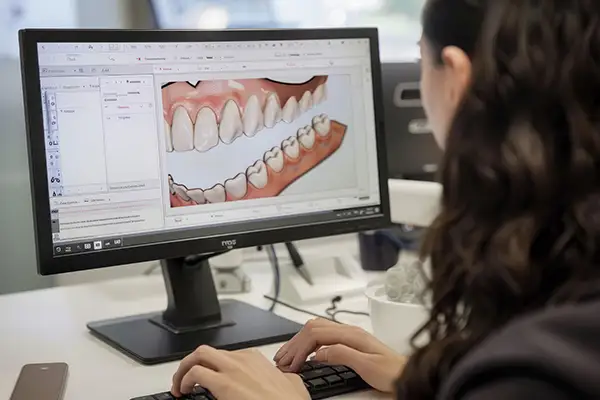 Dental crowns are a common and effective way to restore damaged teeth, bringing back their function and appearance. They act like a protective cap, shielding the vulnerable tooth underneath. While crowns are designed to be durable, they aren't invincible. Understanding why they sometimes fail can help you take better care of your restoration and potentially extend its lifespan. Let's explore some of the key reasons why a dental crown might need replacement. Dental crowns are a common and effective way to restore damaged teeth, bringing back their function and appearance. They act like a protective cap, shielding the vulnerable tooth underneath. While crowns are designed to be durable, they aren't invincible. Understanding why they sometimes fail can help you take better care of your restoration and potentially extend its lifespan. Let's explore some of the key reasons why a dental crown might need replacement.
Poor Oral Hygiene
This is often the number one culprit. Even though the dental crown itself is made of a strong material, the tooth structure underneath and around it is still susceptible to decay. If you aren't brushing and flossing regularly and effectively, bacteria can build up around the crown's margins (where it meets the tooth). This bacterial buildup can lead to cavities forming under the crown. Once decay sets in, it weakens the tooth and can eventually compromise the crown's stability. Diligent oral care, including brushing twice a day, flossing daily, and using fluoride toothpaste, is essential for protecting both your crown and your natural teeth.
Grinding or Clenching Your Teeth (Bruxism)
Many people grind or clench their teeth, often unconsciously, especially during sleep. This habit, known as bruxism, puts immense pressure on your teeth, including any dental crowns you may have. Over time, this excessive force can cause the crown to crack, chip, or even debond (come loose) from the tooth. If you suspect you might be grinding or clenching your teeth, talk to your dentist. They may recommend a night guard to protect your teeth and crowns from the damaging effects of bruxism.
Trauma or Injury
Accidents happen. A blow to the face, a sports injury, or even biting down on something unexpectedly hard can damage a dental crown. The force of the impact can cause the crown to fracture or dislodge. While dental crowns are strong, they aren't designed to withstand significant trauma. If you experience any injury to your mouth, it's important to see your dentist promptly to assess the damage and determine the best course of action.
Improper Fit or Cementation
The success of a dental crown heavily relies on its precise fit and secure cementation. If the crown doesn't fit perfectly, it can create gaps at the margins where bacteria can accumulate, leading to decay. Similarly, if the cement used to bond the crown to the tooth is faulty or applied incorrectly, the crown may not adhere properly and could eventually come loose. Modern restoration dentistry techniques focus heavily on precision and using high-quality materials to ensure a long-lasting and secure fit for your dental crown. Your dentist will carefully evaluate the fit and cementation process to minimize the risk of failure.
Taking good care of your dental crown involves consistent oral care, protecting it from excessive forces, and regular check-ups with your dentist. By understanding these potential reasons for failure, you can take proactive steps to help ensure your crown remains a reliable and functional part of your smile for years to come.
|
|

