How Often Should You Replace Your Toothbrush? (Dentists Explain)
Posted on 10/28/2025 by Singing River Dentistry - Athens |
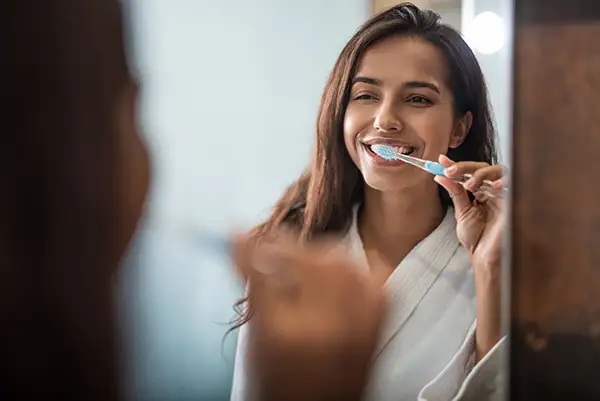 If you’ve ever wondered how often you should replace your toothbrush, the short answer is every three to four months – sooner if the bristles look worn or you’ve been sick. That guideline is the one most dentists, including our team at Singing River Dentistry in Athens, AL, repeat at nearly every checkup, and it exists for a specific clinical reason. A toothbrush that looks fine to the eye can quietly be removing meaningfully less plaque than a brand-new one, which means you can be brushing diligently and still falling behind on your oral health. If you’ve ever wondered how often you should replace your toothbrush, the short answer is every three to four months – sooner if the bristles look worn or you’ve been sick. That guideline is the one most dentists, including our team at Singing River Dentistry in Athens, AL, repeat at nearly every checkup, and it exists for a specific clinical reason. A toothbrush that looks fine to the eye can quietly be removing meaningfully less plaque than a brand-new one, which means you can be brushing diligently and still falling behind on your oral health.
This guide walks through exactly why the three-to-four-month window exists, the situations that should push you to swap out your brush sooner, how to store your brush so it actually lasts that long, and why technique paired with a fresh brush beats either one alone. If it’s been a while since you last changed brushes – or you’re not sure when you did – the next few minutes will save you a lot of guesswork. For ongoing care that pairs well with great home habits, our professional teeth cleaning visits remove the buildup a brush can’t reach on its own.
On This Page
The Three to Four Month Rule (and Why It Exists)
The three-to-four-month recommendation isn’t arbitrary. It’s tied to how toothbrush bristles physically change with daily use. New bristles have crisp, precise tips that fit into the small grooves along the gumline and between the curves of your teeth – the exact spots where plaque collects. After a few months of twice-daily brushing, those tips begin to bend, splay, and curl outward at the ends. The brush still feels like a brush, but each bristle now glides over the tooth surface instead of scraping plaque off of it.
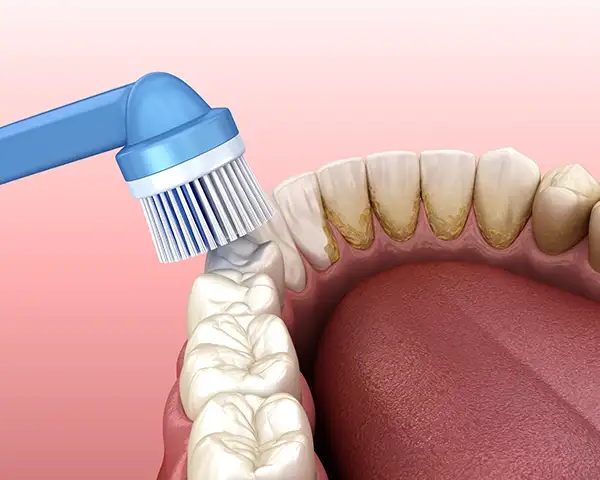 Research on bristle wear is fairly consistent: somewhere around the two-to-three-month mark, the average toothbrush starts losing meaningful plaque-removal efficiency. By month four, that drop is hard to ignore. This is why the American Dental Association and most general dentists settle on three to four months as the replacement window. It’s a safety margin built around real wear patterns, not a marketing recommendation from brush manufacturers. Research on bristle wear is fairly consistent: somewhere around the two-to-three-month mark, the average toothbrush starts losing meaningful plaque-removal efficiency. By month four, that drop is hard to ignore. This is why the American Dental Association and most general dentists settle on three to four months as the replacement window. It’s a safety margin built around real wear patterns, not a marketing recommendation from brush manufacturers.
There’s a second reason worth knowing about. Bristles trap microscopic debris over time – food particles, dead skin cells from inside your mouth, and the normal mix of oral bacteria. Most of that rinses away if you store your brush properly, but the longer a brush stays in use, the more buildup accumulates deep in the bristle base, where rinsing can’t reach.
When to Replace Your Toothbrush Sooner
The calendar isn’t the only signal. There are several situations where you should swap your brush before three months are up. The most obvious is a visual one: if the bristles are clearly fanned out, curled, or pointing in different directions, the brush is done. Don’t wait for the time window to close.
A few other clear signals to replace your brush early:
| • |
After any illness – strep throat, the flu, COVID-19, a stomach bug, or an oral infection. Bacteria and viruses can persist on bristles long enough to potentially reinfect you or spread to someone else in your household.
|
| • |
After dental procedures involving the gum tissue – oral surgery, deep cleanings, extractions, or anything that creates an open healing site in your mouth. A fresh brush reduces the bacterial load near the healing area.
|
| • |
After dropping your brush on the floor – especially in a bathroom. Bathroom floors host a mix of bacteria you don’t want introduced into your mouth.
|
| • |
After sharing or any potential cross-contamination – even a single accidental swap with a family member is enough reason to start fresh.
|
| • |
If you’ve been storing the brush in a closed travel case for days – enclosed, damp storage encourages bacterial growth on the bristles. |
None of these are overkill. Replacing a toothbrush is one of the lowest-cost moves in dental care, and the math always favors swapping it out.
Electric Toothbrush Heads Follow the Same Schedule
A common misconception is that electric toothbrush heads last longer than manual brushes because the device does the work. The opposite is often true. Powered brushes move at high frequencies, which puts more mechanical stress on the bristles, and many electric brush heads show visible wear noticeably earlier than the three-month mark.
The replacement schedule is the same: every three to four months, sooner if the bristles look bent. Some electric models include a color-fade indicator on the bristles – a blue or green stripe that fades from the top down as the bristles wear. When the color has fully faded, that’s the brand’s built-in cue to swap the head. It’s a useful backup, but the visual test still applies whether or not the indicator exists.
How to Store Your Toothbrush So It Lasts
Where and how you store your brush affects both its useful life and its hygiene. The goal is simple: let it dry between uses, keep it away from contamination, and don’t share it.
A few practical guidelines:
| • |
Store the brush upright in open air, ideally in a holder where the head doesn’t touch other brushes. Bristles dry fastest in open air, and dry bristles discourage bacterial growth.
|
| • |
Keep it at least six feet from the toilet, or close the toilet lid before flushing. Flushing creates a fine aerosol that can travel several feet, carrying bacteria onto any nearby surface.
|
| • |
Avoid routinely capping or boxing the brush when it’s damp. Brush caps and closed travel cases trap moisture, which is the single biggest driver of bacterial growth on bristles. Use a case only when actually traveling, and let the brush air-dry first.
|
| • |
Don’t share toothbrushes. Even between spouses, sharing transfers oral bacteria and can pass along illnesses that neither of you knew you had.
|
| • |
Rinse thoroughly after every use. A quick rinse under running water clears toothpaste residue and most loose debris from the bristle base. |
For families managing multiple brushes in one bathroom, color-coding helps prevent mix-ups, especially with kids. If you’re overseeing brushing for several family members, our family dentistry team can help your whole household build habits that stick.
Why a Worn Brush Undermines Even Good Technique
Research on toothbrush effectiveness consistently lands on the same finding: technique and consistency matter more than brand. The best brush in the world used poorly removes less plaque than an average brush used well. But that finding comes with an important caveat – the brush has to actually be in working order.
When bristles splay outward, they no longer make consistent contact with the tooth surface. Even excellent technique can’t compensate, because the tool itself has lost its ability to deliver. We see this pattern often in patients who have great brushing habits but show more plaque than expected at their cleanings. The first question we ask is almost always how long they’ve been using the same brush.
A fresh brush plus solid technique – angled at roughly forty-five degrees to the gumline, small circular motions, two minutes total, no aggressive scrubbing – produces the cleanest result home care can deliver. Pairing that with regular routine dental exams is how small issues get caught before they grow into bigger ones.
Building the Replacement Habit
The easiest way to actually replace your brush on schedule is to remove the decision from the equation. Set a recurring three-month calendar reminder on your phone, buy brushes in multi-packs so a replacement is always on hand, or tie the swap to a predictable event like the first of every season. Whichever method you use, the goal is the same: never have to wonder whether your brush is still doing its job. If you’d like to pair good home habits with consistent professional care, our team at Singing River Dentistry in Athens is happy to help – call 256-867-0090 or visit our practice to schedule a checkup.
Frequently Asked Questions
Is it bad to use a toothbrush for over six months?
It’s not dangerous, but it’s not effective either. By six months, most brushes have lost a noticeable share of their plaque-removal capacity, and bristle wear is well past the point where good technique can compensate. Even if the brush still looks usable, it’s likely doing less than half the job it did when new.
Should I run my toothbrush through the dishwasher to sanitize it?
No. The high heat damages the bristles and breaks down the plastic, which shortens the brush’s useful life and can release small particles you don’t want in your mouth. A thorough rinse under hot tap water and open-air drying is sufficient for daily care.
Can I use the same toothbrush after recovering from a cold?
We recommend replacing it. While the risk of reinfecting yourself with the same virus is low, bacteria and viruses can linger on bristles for days, and a fresh brush is an easy reset after any illness involving the mouth, throat, or nose.
Is a hard-bristled toothbrush better at removing plaque?
No. Hard bristles can wear down enamel and irritate the gums, and they aren’t more effective at plaque removal. Soft bristles paired with good technique are the consensus recommendation for nearly everyone.
Are electric toothbrushes worth the extra cost?
For most people, yes – especially for anyone who tends to brush too quickly or too aggressively. The built-in timers, pressure sensors, and consistent motion of a powered brush make it easier to brush effectively. That said, a manual brush used well still delivers excellent results.
How often should kids replace their toothbrushes?
Kids often need fresh brushes more often than adults because they tend to chew on the bristles or press too hard, both of which speed up wear. Check children’s brushes every month and replace whenever the bristles look bent – many parents end up swapping kid brushes every six to eight weeks. |
|

