The Best Foods for Naturally Whitening Your Teeth
Posted on 11/24/2025 by Singing River Dentistry - Athens |
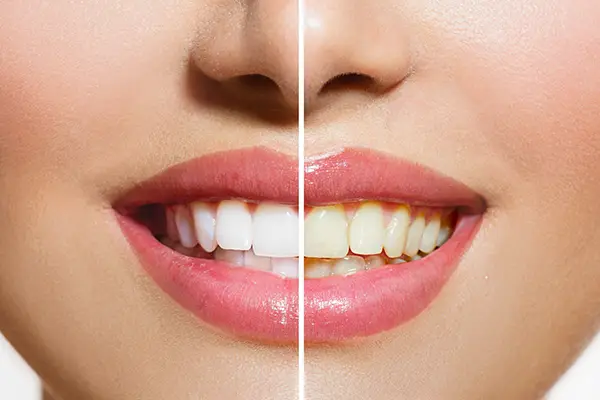 If you’re looking for foods that naturally whiten teeth, the honest answer is that no food will produce the dramatic shade change of professional whitening – but several foods genuinely help by removing surface stains, stimulating saliva, and supporting enamel health. That distinction matters, because the internet is full of overpromises about strawberry-and-baking-soda hacks or activated charcoal that range from underwhelming to actively harmful. At Singing River Dentistry in Athens, AL, our team gets asked about natural whitening foods almost daily, and the realistic answer is more useful than the viral one. If you’re looking for foods that naturally whiten teeth, the honest answer is that no food will produce the dramatic shade change of professional whitening – but several foods genuinely help by removing surface stains, stimulating saliva, and supporting enamel health. That distinction matters, because the internet is full of overpromises about strawberry-and-baking-soda hacks or activated charcoal that range from underwhelming to actively harmful. At Singing River Dentistry in Athens, AL, our team gets asked about natural whitening foods almost daily, and the realistic answer is more useful than the viral one.
The foods below are the ones with real mechanisms behind them – mechanical cleaning during chewing, saliva stimulation, surface-stain reduction, or enamel-supporting nutrients. We’ll also walk through the foods to limit if you want your smile to stay bright, and the small daily habits that protect tooth color far more than any single food choice. If your goal is a noticeable shade change, our professional teeth whitening options deliver results no produce aisle can match, but the food side of the equation still matters.
On This Page
What Food Can (and Can’t) Do for Tooth Color
Tooth color comes from two layers: enamel on the outside (translucent, slightly off-white) and dentin underneath (yellower, and what gives teeth their underlying color). Stains live on or just inside the enamel, picked up from years of coffee, tea, wine, tobacco, and pigmented foods. Anything that can lift or interrupt those surface stains will brighten a smile a little. Anything that addresses deeper, intrinsic color – the dentin showing through – needs an actual whitening agent, not a snack.
 This is why whitening foods are supportive rather than transformative. They can clean off the daily film of staining residue before it settles in, stimulate the saliva that does most of the mouth’s natural rinsing work, and provide nutrients that keep enamel strong and translucent. What they can’t do is bleach the dentin underneath. Knowing the difference upfront prevents the disappointment of eating apples for a month and wondering why your shade looks the same. This is why whitening foods are supportive rather than transformative. They can clean off the daily film of staining residue before it settles in, stimulate the saliva that does most of the mouth’s natural rinsing work, and provide nutrients that keep enamel strong and translucent. What they can’t do is bleach the dentin underneath. Knowing the difference upfront prevents the disappointment of eating apples for a month and wondering why your shade looks the same.
Foods That Earn Their Whitening Reputation
A handful of foods genuinely help, and they help through mechanisms backed by research rather than wishful thinking.
Crunchy fruits and vegetables
Apples, celery, carrots, and pears act like edible toothbrushes. The fibrous texture provides mild mechanical cleaning as you chew, scrubbing surface debris off the teeth, and the act of chewing itself stimulates saliva flow. Saliva is the mouth’s built-in rinse cycle – it dilutes acids, washes away food particles, and delivers minerals back to the enamel surface.
Strawberries
Strawberries contain malic acid, which has a mild surface-cleaning effect. The popular DIY trick of mashing strawberries with baking soda has limited research support, and the baking soda itself is abrasive enough to wear down enamel with repeated use. Eat the fruit plain instead. You get the benefit without the abrasion risk.
Dairy products
Cheese, plain yogurt, and milk are quietly excellent for tooth color. They contain calcium, phosphates, and casein – the trio that supports enamel remineralization. Stronger, healthier enamel stays more translucent and reflects light better, which reads visually as a brighter smile. Hard cheeses also have a slight mechanical cleaning effect from their texture.
Pineapple
Pineapple contains bromelain, an enzyme that has been studied for its ability to break down surface stain proteins. Research is still developing, but the early findings are promising enough that bromelain shows up in some whitening toothpaste formulations.
Water
Plain water is the most underrated whitening tool in your kitchen. Drinking water alongside or after staining beverages dilutes the pigments before they can settle into the enamel, and water keeps the saliva system running through the day. Fluoridated tap water adds an extra enamel-strengthening benefit where available.
Sugar-free gum
Chewing sugar-free gum after a meal is one of the most effective post-meal habits for tooth color. The chewing motion triggers a strong saliva response, which neutralizes acids and clears food residue before stains can settle. Look for gum sweetened with xylitol if possible – it has additional anti-cavity properties.
Nuts and seeds
Almonds in particular pair satisfying chewing with a texture that helps lift surface debris off the teeth, and they bring healthy fats and minerals to the table. They’re a smarter snack choice than crackers or sweets for anyone watching their smile.
Foods and Drinks to Limit
The other side of the diet equation is just as important. The foods that stain teeth are often the ones we love most, which is why moderation and habits matter more than elimination. The major culprits include coffee, black tea, red wine, dark sodas, soy sauce, balsamic vinegar, and curry-based dishes. Berries fall into a paradoxical category: blueberries, blackberries, and pomegranates are wonderful nutritionally but carry strong staining pigments. The trick isn’t to avoid them – it’s to manage how long the pigments sit on your teeth.
Tobacco belongs in its own category. Smoking and chewing tobacco produce some of the most persistent dental stains we see, and they cause damage well beyond color. There’s no moderation approach to tobacco that protects tooth color long-term.
Smart Habits Around Staining Foods
You don’t have to give up your morning coffee or your evening glass of wine to keep your smile bright. Most of the staining damage comes from how long pigments stay in contact with the enamel, not whether they touch the teeth at all. A few small habits cut the impact dramatically.
Drink staining beverages through a straw when it makes sense, especially with iced coffee or iced tea. Rinse with plain water immediately after coffee, wine, or other dark drinks – the rinse dilutes the residue before it can settle. Eat staining foods at meal time rather than sipping or grazing on them throughout the day. A continuous stream of acid and pigment is harder on enamel than a concentrated dose followed by saliva recovery time. And wait about thirty minutes after consuming acidic foods or drinks before brushing – brushing immediately can drag the softened acid across the enamel and cause more wear, not less.
When Diet Isn’t Enough
Diet supports a bright smile, but it doesn’t produce the shade changes most patients are actually looking for. If your goal is to lift years of accumulated coffee or wine stains, or to brighten teeth several shades for a wedding, a job interview, or just because you want to, professional whitening is the only approach that delivers reliably. Beyond whitening, deeper aesthetic changes – reshaping, evening out chips, closing small gaps – fall into the broader category of cosmetic dentistry, which can be combined with whitening as part of a coordinated smile makeover.
Regular professional cleanings also do meaningful whitening work by removing the hardened tartar and surface stain that no amount of brushing or carrot-eating will touch. Many patients are surprised at how much brighter their teeth look after a cleaning alone, before any whitening treatment is even discussed.
A Brighter Smile Starts With Both
Whitening foods, smart eating habits, consistent home care, and routine professional care all work together – no single piece does it alone. If you’re curious about the right combination for your smile, our team at Singing River Dentistry in Athens is happy to walk through options at a dental exam or quick consultation. Visit our practice or call 256-867-0090 to schedule.
Frequently Asked Questions
Does eating apples actually whiten teeth?
Apples help in a small, supportive way. The fibrous texture provides mild mechanical cleaning during chewing, and the act of chewing stimulates saliva, which clears food residue and dilutes acid. The effect on tooth shade is real but subtle – apples won’t lift coffee stains, but they can help prevent new ones from setting in.
Is rubbing lemon or baking soda on teeth a good idea?
No. Lemon is highly acidic and can erode enamel quickly with repeated use, and baking soda is abrasive enough to wear down enamel if used as a scrub. Both DIY methods can produce short-term cosmetic brightness while causing real long-term damage. They aren’t approaches we recommend.
Will charcoal toothpaste whiten my teeth?
Charcoal toothpaste removes some surface stains through abrasion, but research hasn’t shown it to be more effective than standard whitening toothpaste, and many charcoal products are abrasive enough to thin enamel over time. We generally steer patients toward gentler, ADA-accepted options.
Are berries bad for teeth even though they’re healthy?
Berries are nutritionally excellent and worth eating regularly, but their deep pigments can stain enamel. Rinse with water shortly after eating them, or pair them with dairy in the same meal – the calcium and casein help buffer the staining effect.
Does drinking coffee through a straw really help?
It helps with iced coffee, where the straw bypasses most of the front teeth. With hot coffee it’s less practical, but rinsing with water after each cup or finishing with a few sips of water accomplishes much of the same protection.
How long until I notice a difference from changing my diet?
Changes from diet alone are subtle and gradual, usually visible over several weeks of consistent habits. The biggest visible improvement most patients notice still comes from a professional cleaning, which removes the harder surface buildup that diet changes can’t reach. |
|

