Why Your Gums Bleed When Brushing (and When to Worry)
Posted on 12/29/2025 by Singing River Dentistry - Athens |
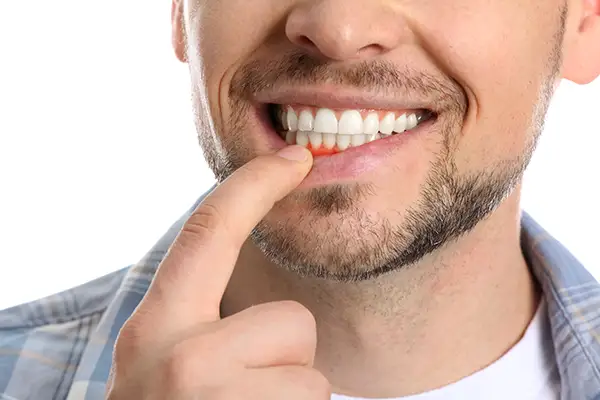 If you’ve ever wondered why your gums bleed when brushing, the core message worth knowing is this: bleeding gums are common, but they aren’t normal, and they’re usually the body’s early warning that something is brewing below the surface. Most people see a little pink in the sink and either ignore it or assume they were brushing too hard. Sometimes that’s true. More often, it’s a sign that the gum tissue is inflamed, irritated, or starting down a path that’s much easier to reverse early than late. At Singing River Dentistry in Athens, AL, our team treats bleeding gums as a meaningful signal worth investigating, not a cosmetic annoyance to dismiss. If you’ve ever wondered why your gums bleed when brushing, the core message worth knowing is this: bleeding gums are common, but they aren’t normal, and they’re usually the body’s early warning that something is brewing below the surface. Most people see a little pink in the sink and either ignore it or assume they were brushing too hard. Sometimes that’s true. More often, it’s a sign that the gum tissue is inflamed, irritated, or starting down a path that’s much easier to reverse early than late. At Singing River Dentistry in Athens, AL, our team treats bleeding gums as a meaningful signal worth investigating, not a cosmetic annoyance to dismiss.
This guide walks through the most likely reasons your gums bleed when you brush, the less obvious factors that can play a role, the warning signs that mean it’s time to call a dentist, and the critical difference between gingivitis (fully reversible) and periodontitis (not reversible). If you’d like to learn more about how we evaluate and treat gum issues, our gum disease information page is a useful companion to this article.
On This Page
Bleeding Gums Are Common – But They Aren’t Normal
Healthy gums don’t bleed when you brush. They don’t bleed when you floss, either. A healthy gumline is pale pink, firm, fits snugly around each tooth, and tolerates daily brushing and flossing without complaint. Bleeding shows up when the tissue is inflamed, and inflammation almost always traces back to one of a few specific causes.
The reason it’s worth paying attention is that bleeding is often the earliest visible signal something is off. By the time gums recede, teeth feel loose, or someone notices persistent bad breath, the underlying issue has usually been progressing for months or years. Bleeding catches it while the fix is still simple. The patients who do best are the ones who notice early and ask a question, rather than waiting for something more dramatic to happen.
The Most Common Causes of Bleeding Gums
By a wide margin, the leading cause of bleeding gums during brushing is gingivitis – the earliest, mildest form of gum disease. Gingivitis develops when plaque (the soft, sticky bacterial film that constantly forms on teeth) builds up along the gumline faster than home care can clear it. The bacteria irritate the gum tissue, the body responds with inflammation, and inflamed tissue bleeds easily. The good news: gingivitis is fully reversible. With thorough cleaning, better home technique, and routine professional care, the inflammation resolves and the gums return to healthy pink within a few weeks.
 The second common cause is mechanical: brushing too aggressively, often with a hard-bristled brush. Many people associate harder pressure with cleaner teeth, but the opposite is true. Aggressive scrubbing irritates the gum tissue, can cause recession over time, and doesn’t remove plaque any more effectively than gentle brushing with the right technique. Switch to a soft-bristled brush, ease up on pressure, and let the bristles do the work with small, controlled motions angled toward the gumline. The second common cause is mechanical: brushing too aggressively, often with a hard-bristled brush. Many people associate harder pressure with cleaner teeth, but the opposite is true. Aggressive scrubbing irritates the gum tissue, can cause recession over time, and doesn’t remove plaque any more effectively than gentle brushing with the right technique. Switch to a soft-bristled brush, ease up on pressure, and let the bristles do the work with small, controlled motions angled toward the gumline.
The third cause is one that catches people off guard: starting a new flossing routine. If you haven’t flossed regularly and you start doing it daily, your gums may bleed for the first one to two weeks. This isn’t the gums getting worse – it’s the inflammation from neglected plaque finally getting addressed. The bleeding should taper off within ten to fourteen days as the tissue heals.
Less Obvious Contributors
A handful of other factors can influence how easily your gums bleed, sometimes independently of how well you’re brushing.
| • |
Hormonal changes – pregnancy, puberty, the menstrual cycle, and menopause all shift hormone levels in ways that make gum tissue more sensitive and prone to bleeding. Pregnancy gingivitis, in particular, is well-documented and often improves with extra attention to home care during the pregnancy.
|
| • |
Medications – blood thinners (warfarin, aspirin, newer anticoagulants) and certain blood pressure medications increase bleeding tendency throughout the body, including in the gums. This doesn’t mean the gums are diseased, but it does mean bleeding alone is a less reliable indicator and other signs become more important.
|
| • |
Vitamin deficiencies – severe deficiencies in vitamin C or vitamin K can cause bleeding gums. These are rare in the United States but worth mentioning because they’re often missed in the early stages.
|
| • |
Smoking and tobacco use – here’s a counterintuitive one. Smokers often bleed less than non-smokers even when their gum disease is more severe, because nicotine constricts the blood vessels in the tissue. The absence of bleeding can mask serious disease, which is why smokers need particularly close monitoring at routine cleanings.
|
| • |
Diabetes and other systemic conditions – uncontrolled diabetes is strongly linked to gum disease, and the relationship runs in both directions. Healthier gums tend to mean better blood sugar control, and vice versa. |
None of these contributors mean you should stop investigating bleeding gums. They mean the picture is more complex and worth a professional look.
When Bleeding Crosses Into Concerning Territory
Bleeding that resolves within one to two weeks of better home care is usually the gums healing. Bleeding that persists or shows up alongside other signs is the part to take seriously.
Several patterns should prompt a call to our office. Bleeding that doesn’t improve after one to two weeks of consistent, gentle brushing and daily flossing is the most common one. Gums that look red-purple or swollen rather than healthy pink are another, as is visible recession – teeth that look longer than they used to, or sensitivity to hot and cold along the gumline.
Persistent bad breath despite good oral hygiene is a frequent companion symptom, and so is the feeling that one or more teeth are loose or shifting position. Pus, discharge, or a bad taste coming from around the gumline is a more urgent signal. Tenderness or sensitivity during eating, or a strong family history of gum disease, also raise the threshold on how seriously to treat early warning signs – genetic susceptibility plays a real role in how quickly mild inflammation can progress.
Any one of these on its own is reason to schedule a professional cleaning and exam. Several together suggest the issue has moved beyond gingivitis and into territory that needs more specialized periodontal care.
Gingivitis vs. Periodontitis: Why Catching It Early Matters
The single most important reason to take bleeding gums seriously is the difference between the two stages of gum disease.
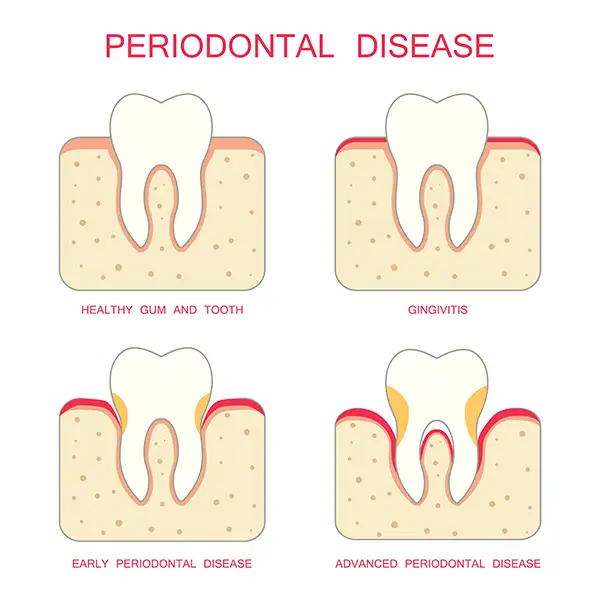
Gingivitis is inflammation confined to the gum tissue itself. The bone and ligaments anchoring the teeth aren’t affected yet. With thorough cleaning and better home care, gingivitis fully reverses. The tissue heals, bleeding stops, and the gums return to normal with no permanent damage left behind.
Periodontitis is the next stage, and it’s a different problem entirely. When inflammation goes untreated long enough, the bacteria and the body’s immune response begin breaking down the bone and connective tissue that hold the teeth in place. Once that bone is lost, it doesn’t grow back on its own. Treatment can stop the progression and stabilize what remains, but the lost support is gone for good. Severe periodontitis is the leading cause of adult tooth loss in the United States, and the path from gingivitis to advanced periodontitis usually takes years – years during which warning signs were available to act on.
The math is simple. Gingivitis treated early means a thorough cleaning, a few weeks of attentive home care, and a return to healthy gums. Gingivitis ignored long enough means lifelong periodontal management. The difference between those two outcomes is almost always how quickly someone responds to bleeding.
Talking to Our Team
If your gums bleed regularly when you brush, the best move is the simplest one: bring it up at your next cleaning, or schedule a checkup if it’s been a while. We’ll evaluate the tissue, talk through what we’re seeing, and put together a plan that fits where things actually stand. To schedule with our team at Singing River Dentistry in Athens, call 256-867-0090 or visit our practice online.
Frequently Asked Questions
Should I stop brushing if my gums are bleeding?
No – in most cases, stopping makes things worse. Bleeding usually points to plaque buildup that needs to be cleared, and brushing is part of the solution, not the cause. Switch to a soft-bristled brush, ease your pressure, and continue gentle, thorough brushing along with daily flossing. Persistent bleeding after one to two weeks of consistent care is the cue to schedule a checkup.
How long should bleeding last when I start flossing again?
Most people see bleeding for the first one to two weeks after starting a regular flossing routine, then it tapers off as the inflammation resolves. If you’re still seeing bleeding after two weeks of daily, gentle flossing, that’s a sign there’s more going on and a professional evaluation is worth scheduling.
Can mouthwash stop my gums from bleeding?
Antiseptic mouthwash can help reduce the bacteria contributing to gingivitis, and that can lessen bleeding over time. But mouthwash on its own doesn’t replace mechanical plaque removal from brushing and flossing. Think of it as a supplement, not a substitute. If bleeding persists despite using mouthwash, the issue is deeper than a rinse can solve.
Is bleeding gums always a sign of gum disease?
Not always, but most of the time it is. Aggressive brushing, a new flossing routine, hormonal shifts, or certain medications can also cause bleeding without underlying gum disease. The challenge is that you usually can’t tell from home which category you’re in. A professional evaluation sorts it out quickly.
Will my gums grow back if they’ve receded?
Gum tissue doesn’t naturally regrow once it’s receded, but there are treatments – including gum grafting in more advanced cases – that can restore coverage and protect the underlying root surface. Stopping the cause of recession is the first step. Our team can walk through options at an evaluation.
How often should I get a cleaning if I’ve had gum issues before?
Patients with a history of gum issues often benefit from more frequent visits than the standard every-six-month schedule. Many do best with periodontal maintenance every three to four months, which keeps plaque and tartar from re-accumulating to the levels that triggered problems in the first place. Our team will recommend the right interval based on your specific situation. |
|

