What to Do If You Chip a Tooth at Home: A Step-by-Step Guide
Posted on 10/26/2026 by Singing River Dentistry - Athens |
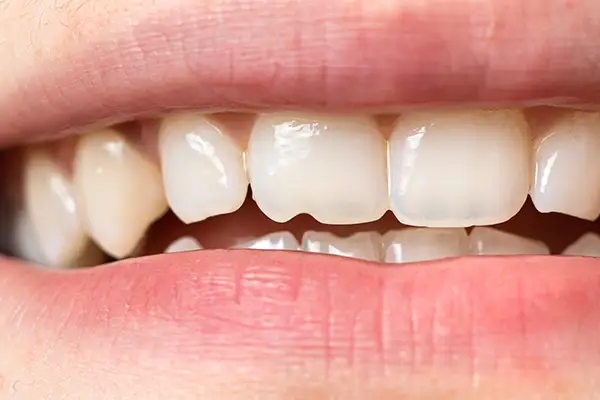 Knowing what to do if you chip a tooth at home can change the outcome of a stressful situation more than most people realize. A chipped tooth is unsettling, especially if it’s a front tooth or it happens away from home, but it’s rarely a true medical emergency on its own. The right immediate response protects the tooth, manages discomfort, and sets up your dental visit for the best possible repair.
At Singing River Dentistry in Athens, AL, we walk patients through these moments regularly, and the people who come in with the smoothest results are usually the ones who handled the first hour calmly. This guide covers chipped tooth first aid step by step, what your visit will likely involve depending on the severity of the chip, and the warning signs that mean you shouldn’t wait for a routine appointment slot. If the chip is significant or already causing concern, our team handles broken tooth repair regularly and can usually see Athens-area patients quickly.
On This Page
First, Stay Calm and Assess the Situation
Before anything else, take a breath. Most chipped teeth feel worse than they actually are because the sharp edge against your tongue creates an alarming sensation that can make the chip seem bigger than it is.
Quickly check for anything more serious than the chip itself. If you have significant bleeding from the gums, lips, or tongue, that takes priority over the tooth. Apply gentle pressure with clean gauze or a folded paper towel for 10 to 15 minutes; if bleeding doesn’t slow, head to an urgent care clinic. If the injury involves major facial trauma, a possible jaw fracture, difficulty breathing, or a child who took a hard hit to the head, call 911 rather than the dental office.
For an isolated chipped tooth without any of those red flags, you have time to handle the next steps deliberately. Take a few seconds to look at the tooth in a mirror so you can describe it accurately when you call us. Note which tooth it is, how big the chip looks, and whether you can see any pink or red tissue in the broken area – that information helps us triage the urgency.
Step-by-Step Home Care for a Chipped Tooth
Once you’ve confirmed there’s no larger injury at play, work through these steps in order. None of them require anything you don’t already have at home.
| 1. |
Rinse gently with warm water. This clears any debris from the area and lets you see what’s happened. Avoid vigorous swishing if the area is bleeding.
|
| 2. |
Find the tooth fragment if you can. Save it in a small container with milk (not water) to preserve it. Some chips can be re-bonded to the original tooth if the piece is clean and intact. Don’t scrub or dry it.
|
| 3. |
Apply a cold compress to the outside of the cheek over the affected area, 20 minutes on and 20 minutes off, to reduce swelling and ease discomfort.
|
| 4. |
Take over-the-counter pain reliever as directed if needed. Never place aspirin directly on the gum tissue; it causes chemical burns to the soft tissue.
|
| 5. |
Cover any sharp edge that’s irritating your cheek or tongue. A small piece of sugar-free gum (chewed first, then pressed over the edge) or dental wax from a pharmacy works well as a temporary buffer.
|
| 6. |
Eat soft foods on the opposite side until you’ve been evaluated. Skip extremely hot or cold foods, sticky candies, and anything that requires biting force on the affected tooth.
|
| 7. |
Call our office to schedule an evaluation, ideally same-day or next-day. Even a small chip benefits from being seen sooner rather than later. |
The fragment-saving step surprises many people, but it’s worth doing. Modern bonding techniques sometimes let us reattach an original piece of tooth when it’s preserved correctly, which can produce a more natural result than rebuilding with composite alone.
What to Expect at the Dental Visit
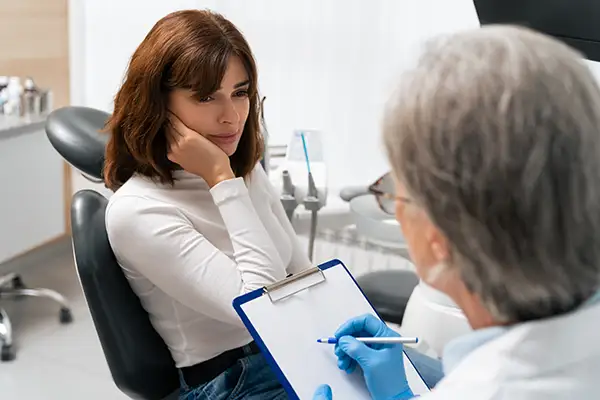 The treatment we recommend depends almost entirely on how deep the chip goes and how much tooth structure is involved. Our exam usually takes only a few minutes and often includes a quick X-ray to confirm the root and pulp are unaffected. From there, the path forward typically falls into one of five categories.
Small, superficial chip with no exposed dentin
The enamel is the white outer layer of your tooth. A chip that stays within the enamel often just needs smoothing and polishing of the edge. Sometimes we’ll add a tiny bonding repair for the sake of appearance, but functionally the tooth is fine.
Moderate chip with exposed dentin
Dentin is the yellowish layer underneath the enamel. When it’s exposed, the tooth can feel sensitive to temperature changes. These chips are typically restored with tooth-colored composite dental bonding, usually completed in a single visit.
Larger chip affecting tooth structure or appearance
When a more substantial piece is missing, especially on a front tooth, we may recommend a porcelain veneer for the front surface or a dental crown to fully cover and protect what remains of the tooth.
Chip that exposes the pulp (nerve)
The pulp sits in the center of the tooth and contains the nerve and blood supply. Exposure is usually indicated by pink, red, or a pinpoint of bleeding from the center of the broken area. This calls for prompt evaluation and most often involves a root canal followed by a crown to seal and protect the tooth.
Cracked tooth extending below the gum or root
A vertical crack reaching the root may not be restorable, in which case extraction with a replacement plan becomes the conversation. These cases benefit from being seen as quickly as possible, since waiting can complicate the replacement options later.
Signs That Need Urgent Attention, Not a Routine Appointment
Most chips can wait for the next available appointment, which is often within a day or two at our Athens office. A few situations call for moving faster than that, either to our dental emergency line or, in some cases, to an emergency room.
Reach out the same day if you notice severe and unrelenting discomfort that over-the-counter medication doesn’t touch; visible swelling in the face or jaw; fever in combination with the dental injury; a large piece of tooth missing with bleeding from inside the tooth; or a bite that suddenly feels different, which can signal a fracture below the gumline. If the tooth was knocked completely out rather than chipped, that’s a different situation entirely. Our guide on knocked-out tooth treatment covers the time-sensitive steps for those cases.
Why Acting Quickly Expands Your Treatment Options
Prompt evaluation isn’t about urgency for its own sake. The same chip seen within a day or two often has more conservative repair options than the same chip ignored for weeks, when the exposed area can collect bacteria, develop decay, or destabilize further. If you’ve chipped a tooth and you’re in Athens or the surrounding Limestone County area, give the Singing River Dentistry team a call at 256-867-0090 or learn more about our Athens dental practice. We’ll fit you in promptly and walk you through the repair options that best fit your tooth.
Frequently Asked Questions
Is a chipped tooth a dental emergency?
Most small to moderate chips aren’t true emergencies, but they should be seen within a day or two. Chips that expose the inner pulp, involve severe discomfort, or come with swelling or fever do qualify as urgent and warrant a same-day call.
Can a chipped tooth heal on its own?
No. Unlike skin or bone, tooth enamel doesn’t regenerate. A chip will stay chipped until it’s repaired, and the exposed surface can become a foothold for decay or further breakage over time.
What if I can’t find the broken piece of tooth?
Don’t worry. While saving the fragment can occasionally let us reattach it, our team can rebuild a chipped tooth beautifully with composite bonding, a veneer, or a crown depending on the size of the chip. The missing piece isn’t required for a great result.
Will a chipped tooth get worse if I wait?
It can. Exposed dentin is more vulnerable to decay and sensitivity, sharp edges can wear unevenly against the opposing teeth, and small chips sometimes propagate into larger cracks under chewing forces. Earlier evaluation usually means simpler treatment.
How do I know if the chip exposed the nerve?
Nerve (pulp) exposure usually shows up as pink, red, or a pinpoint of bleeding in the center of the broken area, often paired with sharp sensitivity to air, cold, or pressure. If you see any of those signs, call our office promptly so we can evaluate the tooth. |
|

