Invisalign vs. Braces for Adults: Which Works Faster?
Posted on 4/27/2026 by Singing River Dentistry - Athens |
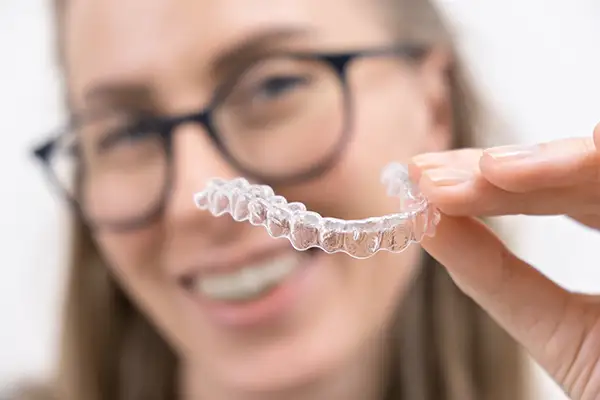 When adults in Athens compare Invisalign vs. braces and ask which one works faster, the honest answer is that treatment speed depends more on the complexity of the case than on the technology itself. For mild to moderate crowding, spacing, or alignment issues, modern Invisalign treatment often runs comparable to traditional braces and sometimes finishes a little sooner. For more complex situations involving significant rotations, jaw discrepancies, or major bite corrections, traditional braces usually achieve results faster and more predictably. When adults in Athens compare Invisalign vs. braces and ask which one works faster, the honest answer is that treatment speed depends more on the complexity of the case than on the technology itself. For mild to moderate crowding, spacing, or alignment issues, modern Invisalign treatment often runs comparable to traditional braces and sometimes finishes a little sooner. For more complex situations involving significant rotations, jaw discrepancies, or major bite corrections, traditional braces usually achieve results faster and more predictably.
At Singing River Dentistry in Athens, our team works with adults considering both options regularly. We’d rather help you understand the real variables behind treatment time than steer you toward one approach. Below, we walk through what actually determines how long adult orthodontics takes, where each option shines, and which cases still favor braces over clear aligners. If you want to explore aligner treatment directly, you can read more about our Invisalign treatment in Athens.
On This Page
The Short Answer: It Depends on the Case
Adults researching orthodontics often hope for a simple verdict: which treatment is faster, period? Reality is more nuanced. Mild crowding or minor spacing issues typically resolve in roughly 6 to 12 months with either Invisalign or braces. Moderate cases generally run 12 to 18 months either way. Severe cases involving large rotations, deep bites, or significant jaw discrepancies can stretch to 18 to 30 months and often favor braces because of how predictably braces handle large, complex movements.
The technology matters less than the diagnosis. A skilled provider can produce excellent results with either system when the case fits the modality. The right question isn’t “which is faster?” but “which is faster for what I need corrected?”
What Drives the Actual Timeline
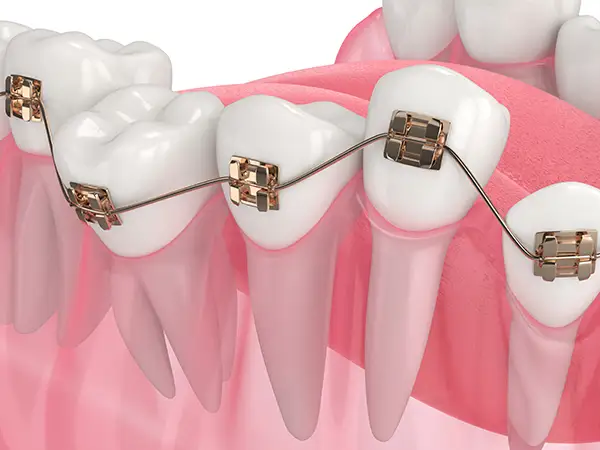 Several factors influence how long adult orthodontic treatment actually takes, and most have little to do with whether you choose clear aligners or brackets and wires. Several factors influence how long adult orthodontic treatment actually takes, and most have little to do with whether you choose clear aligners or brackets and wires.
Case Complexity
The single biggest factor is what’s being corrected. A few rotated front teeth and mild crowding behave very differently from a full bite reconstruction. Your starting point dictates the projected timeline far more than the appliance does.
Compliance With Aligner Wear
This is the largest variable specific to Invisalign. Aligners need to be worn 20 to 22 hours per day to track on schedule. Patients who consistently hit that mark see results close to the projected timeline. Patients who frequently leave them out at meals, during work, or for social events can add weeks or months to the total. Braces don’t have a compliance variable in the same way. They are working 24 hours a day whether you remember them or not.
Type of Tooth Movement Required
Aligners excel at certain movements: tipping front teeth, mild rotations, and intrusion of front teeth. They struggle with severe rotations (especially of round canines and premolars) and large movements that demand significant root manipulation. Braces handle the full range of movements with more predictability for complex mechanics.
Refinement Aligners
Invisalign treatment often includes one or two rounds of refinement aligners near the end of treatment to address teeth that didn’t track exactly as planned. This is normal and built into modern treatment planning, but it does extend the total timeline beyond the initial estimate.
Provider Experience
Both systems reward experience. A provider who has handled hundreds of cases tends to produce faster, more predictable results than one new to either modality. Treatment planning, attachment placement, bracket positioning, and bite refinements all benefit from clinical reps.
Where Invisalign Excels (and Where It Struggles)
Invisalign technology has come a long way. Modern aligner systems use SmartTrack material, tooth-colored attachments, and software-driven planning that lets clear aligners handle cases that wouldn’t have been possible a decade ago.
Where aligners shine: closing small gaps, correcting mild to moderate crowding, leveling slightly tipped teeth, and refining a smile after previous orthodontic work has shifted over the years. Many adults finish comfortably in 9 to 15 months.
Where aligners hit limits: severe rotations of round-rooted teeth, large root movements, complex extraction cases, and certain bite corrections that need precise three-dimensional control of every tooth. Some adults can still be treated with aligners in these situations, but the timeline lengthens and refinements become more likely.
If you want to compare aligner-based options in more depth, our overview of invisible braces for teens and adults covers candidacy and treatment scope, and the clear aligners for a straight smile page outlines what to expect day-to-day.
The Practical Differences Beyond Speed
Most adults choosing between Invisalign and braces care about more than which option finishes first. The day-to-day differences often weigh just as heavily.
Aesthetics tend to be the leading factor. Clear aligners are nearly invisible in normal conversation, while traditional metal braces are immediately noticeable. Ceramic braces split the difference visually but still show up close.
Comfort patterns differ. Aligners typically produce a pressure ache when a new tray is inserted but rarely cause mouth sores. Braces can irritate the cheeks and lips, especially in the first few weeks and after adjustments, though wax helps.
Eating is much easier with aligners since they come out for meals. Braces stay in and require avoiding sticky, hard, or chewy foods that can break brackets or bend wires.
Hygiene is more straightforward with aligners because you brush and floss normally with the trays out. Braces require careful flossing around wires and brackets, often with floss threaders or a water flosser.
Office visits look different too. Aligner check-ins are typically quick and spaced 6 to 10 weeks apart. Braces require regular adjustments roughly every 4 to 8 weeks, and visits tend to run a little longer.
When Braces Still Win the Recommendation
Despite Invisalign’s growing capability, several situations still steer our team toward traditional braces for adult patients. Severe crowding requiring significant root movement, complex bite corrections involving the jaw relationship, certain rotation patterns (especially of canines and premolars), and cases that need consistent 24-hour force regardless of patient habits all tend to favor braces.
Adults who know themselves well enough to admit they would struggle to wear aligners 22 hours a day are also better served by braces. Honest self-assessment beats wishful thinking, and an extra year of treatment from inconsistent aligner wear isn’t a small price to pay for aesthetics.
Braces can also be more predictable for complex cases because they don’t rely on multiple refinement rounds. When something unexpected happens during treatment, adjustments tend to be quicker with brackets and wires than with new aligner sets.
Finding the Right Choice for Your Smile
Both Invisalign and braces can produce beautiful, lasting results for adults in Athens. The right choice depends on what’s being corrected, your daily routine, and your priorities around aesthetics, comfort, and predictability. The most reliable way to get a real answer for your case is a consultation where our team can examine your bite, take scans, and walk you through realistic timelines for both options. If a complete aesthetic refresh is part of the conversation, our smile makeover services can layer alongside orthodontic treatment. Call 256-867-0090 or visit our Athens office to schedule a consultation with Singing River Dentistry.
Frequently Asked Questions
Does Invisalign hurt less than braces?
Most patients report mild pressure for a day or two after switching to a new aligner, similar to the soreness after a braces adjustment. Aligners tend to cause fewer cheek and lip sores because there are no brackets or wires, but neither option is completely free of discomfort during active tooth movement.
Can I switch from braces to Invisalign mid-treatment?
It is sometimes possible, but it usually adds time and cost since a new treatment plan and scans are required. Most patients considering a switch are better off finishing their current treatment and weighing aligners for any future orthodontic refinements.
Will my insurance cover Invisalign the same as braces?
Coverage varies by plan. Many dental insurance plans with orthodontic benefits cover Invisalign at the same level as traditional braces, while some treat aligners as a cosmetic alternative with reduced coverage. Our team can help verify your specific benefits before you commit.
Can I drink coffee with Invisalign in?
Water is fine, but hot, sugary, or pigmented drinks like coffee, tea, and wine should be consumed with the aligners out. They can stain the trays, trap sugar against your teeth, and warp the plastic if the drink is hot.
Do Invisalign attachments make the aligners more visible?
Attachments are small tooth-colored bumps bonded to certain teeth to help the aligners grip and move them. They are visible up close but blend in well from normal conversational distance, and they don’t change how the aligners themselves look.
How long do I have to wear a retainer after treatment?
Retainers are essentially lifelong if you want to keep your results. Most patients wear them full-time for a few months after treatment, then transition to nighttime wear only for the long term. Teeth shift naturally throughout life, and a retainer is what prevents the alignment work from undoing itself. |
|

