How to Stop Tooth Sensitivity Fast: Home Remedies That Work
Posted on 2/25/2026 by Singing River Dentistry - Athens |
 Tooth sensitivity can turn a simple sip of cold water into a startling jolt, and home remedies for tooth sensitivity are usually the first thing patients reach for when they want fast relief. The good news is that there are practical steps you can take at home tonight that often bring real improvement within a couple of weeks. The honest part is that home care works best when it is paired with figuring out why the sensitivity is happening in the first place, because masking the symptom never solves the underlying cause. Tooth sensitivity can turn a simple sip of cold water into a startling jolt, and home remedies for tooth sensitivity are usually the first thing patients reach for when they want fast relief. The good news is that there are practical steps you can take at home tonight that often bring real improvement within a couple of weeks. The honest part is that home care works best when it is paired with figuring out why the sensitivity is happening in the first place, because masking the symptom never solves the underlying cause.
At our Singing River Dentistry office in Athens, AL, we hear this question all the time, especially from patients who are otherwise taking good care of their teeth. This guide walks through what is most likely going on inside your mouth, the home remedies that have the best track record, the ones that usually make things worse, and when to call us rather than tough it out. If you would like a deeper checkup of what is causing your sensitivity, our dental exam page is a useful starting point.
On This Page
Why Your Teeth Get Sensitive
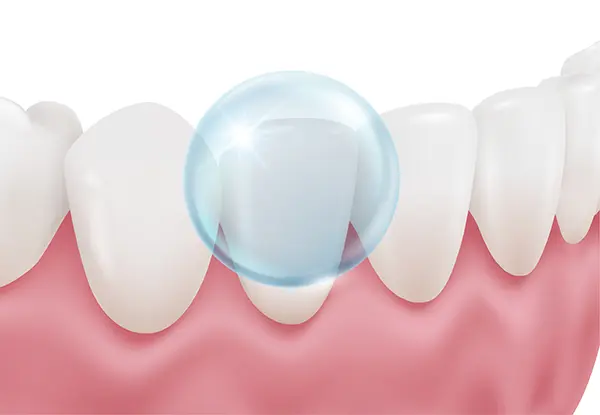 Tooth sensitivity almost always traces back to one thing: the outer enamel or root surface is no longer fully protecting the layer beneath it, called dentin. Dentin contains thousands of microscopic channels that lead directly toward the nerve, and when those channels are exposed, hot, cold, sweet, or acidic stimuli reach the nerve much faster than they should. That fast signal is what you feel as a sharp zing or an aching jolt. Tooth sensitivity almost always traces back to one thing: the outer enamel or root surface is no longer fully protecting the layer beneath it, called dentin. Dentin contains thousands of microscopic channels that lead directly toward the nerve, and when those channels are exposed, hot, cold, sweet, or acidic stimuli reach the nerve much faster than they should. That fast signal is what you feel as a sharp zing or an aching jolt.
The exposure happens for several common reasons. Aggressive brushing wears enamel and pushes the gumline back over time. Years of acidic foods and drinks slowly thin the enamel surface. Gum recession from age or periodontal issues exposes root surfaces that were never meant to face the outside world. Grinding wears down chewing surfaces. A new cavity, a crack, or a leaky filling can also let cold and pressure reach the nerve. Identifying which of these is at play on your teeth is what shifts you from chasing symptoms to actually solving the problem.
A few quick observations can hint at the cause. If discomfort spans many teeth and follows a clear pattern with cold or sweet foods, generalized enamel wear or recession is the likely culprit. If only one tooth reacts, especially with biting or a sustained ache, deeper trouble is more likely. Morning soreness across the jaw often points to grinding, while sensitivity that follows acidic drinks or whitening usually traces to softened enamel. None of these is a diagnosis on its own, but they help narrow what to focus on at home and what to flag during your exam.
What Actually Works at Home
 The remedies below are the ones with the best evidence behind them. Most of them work gradually rather than instantly, so consistency matters far more than intensity. Combining several of these usually works better than relying on just one. The remedies below are the ones with the best evidence behind them. Most of them work gradually rather than instantly, so consistency matters far more than intensity. Combining several of these usually works better than relying on just one.
Switch to a Desensitizing Toothpaste
Look for an ingredient list that includes potassium nitrate or stannous fluoride. Potassium nitrate calms the nerve response over time, while stannous fluoride helps physically seal the tubules that connect the outside of the tooth to the nerve. These work gradually. Expect noticeable relief after two to four weeks of consistent twice-daily use, not after a single application. One small habit that boosts results: after brushing, spit the excess but do not rinse with water, so a thin layer of toothpaste stays in contact with the teeth.
Brush More Gently with a Soft Brush
Aggressive brushing is one of the most common causes of sensitivity that patients can fix on their own. A soft-bristled brush, used with light pressure, cleans just as effectively as a hard brush and protects gum tissue and enamel. If your toothbrush bristles flare out within a month, you are almost certainly pressing too hard. Slow down, hold the brush like a pencil instead of a fist, and let the bristles do the work. An electric brush with a built-in pressure sensor is a worthwhile upgrade if you have a heavy hand, because it actively alerts you the moment you press too hard.
Try a Nighttime Fluoride Rinse
A fluoride mouthrinse used right before bed, then swished and spit out without rinsing with water afterward, lets the fluoride stay on the tooth surface and support enamel through the night. A warm saltwater rinse (about half a teaspoon of salt in a cup of warm water) is also a gentle way to calm mild gum inflammation that can contribute to sensitivity. For a clinical boost, our office offers in-office fluoride treatments that deliver a stronger concentration than anything you can buy over the counter, and they take only a few minutes during a routine visit.
Pause the Worst Triggers
Acidic foods and drinks soften enamel temporarily, which makes sensitivity worse. Citrus, sodas, sports drinks, wine, and kombucha are common culprits. You do not have to give them up forever, but pausing them for a couple of weeks while your enamel surface recovers can make a real difference. Just as important: do not brush within 30 minutes of an acidic drink. Brushing while enamel is softened accelerates the wear that caused the sensitivity in the first place. A glass of water or a quick rinse right after an acidic drink is a smarter immediate move.
Address Grinding If You Suspect It
Grinding wears the chewing surfaces of teeth and is a frequent cause of sensitivity that does not respond to other measures. Many people grind only at night and have no idea they are doing it until a partner notices or symptoms add up. Common giveaways include waking with sore jaw muscles, a dull headache around the temples, or sensitivity that feels worse in the morning than later in the day. A custom night guard from our office can protect teeth and significantly reduce sensitivity over the following weeks. Learn more about teeth grinding treatment if this sounds familiar.
Common Mistakes That Make It Worse
Some of the most popular online recommendations are not just unhelpful, they actively make sensitivity worse. Read these before reaching for a DIY fix, because the wrong move can set your enamel back further. The list below covers what to skip.
| • |
Whitening toothpastes – Many are mildly abrasive and tend to wear enamel further on already sensitive teeth.
|
| • |
Hard scrubbing of the sensitive area – Brushing harder feels productive but accelerates exactly the wear you are trying to reverse.
|
| • |
Baking soda and lemon DIY paste – Acid plus abrasion is the worst possible combination for thinning enamel.
|
| • |
Charcoal or natural “polishing” powders – Most are far too abrasive for daily use and can permanently damage enamel.
|
| • |
Extreme temperature swings – Hot coffee followed by ice water is hard on already inflamed nerves while you are flared up. |
If you have been using any of these, stop for a few weeks and see how your teeth feel. Many patients are surprised at how much improvement comes from simply removing the wrong tools and giving the enamel a chance to recover. Patients in Athens regularly tell us symptoms ease within a couple of weeks once they cut out the abrasive habits.
When to Call Our Athens Team
Home remedies are a great first step, but they have limits. If sensitivity lasts beyond two to three weeks of consistent home care, is severe rather than a mild zing, is localized to one specific tooth, or comes with pain when you bite down, the underlying cause needs a closer look. Sensitivity in one tooth often points to a cavity, a crack, or pulp inflammation that may require a root canal or another targeted treatment.
Our team at Singing River Dentistry can pinpoint the cause and walk you through the right next step, which is often something as simple as a professional cleaning and exam. Call our Athens, AL office at 256-867-0090 to schedule a visit, or learn more about our team and locations online.
Frequently Asked Questions
Why do my teeth suddenly feel sensitive?
A sudden change is often tied to a recent shift in habits or oral health: a new toothbrush that is too firm, a stretch of acidic foods or drinks, a recent whitening product, gum recession that has crossed a threshold, or a cavity that has progressed. If sensitivity appears quickly and stays, an exam is the fastest way to know exactly what is going on.
How long does desensitizing toothpaste take to work?
Most patients notice relief after two to four weeks of consistent twice-daily use. The active ingredients build their effect gradually rather than working on contact. Brushing once with desensitizing toothpaste and rinsing it out also undercuts the effect, so let a small amount remain on the teeth after brushing for the best results.
Is tooth sensitivity ever a sign of something serious?
It can be. Sensitivity that is severe, localized to one tooth, or that includes pain when biting down may signal a cavity, a crack, or pulp inflammation that needs prompt attention. General mild sensitivity across several teeth is usually less worrisome and often responds well to home care, but persistent or worsening symptoms should always be evaluated in person.
Can whitening cause tooth sensitivity?
Yes. Whitening products temporarily open dentinal tubules, which can cause sensitivity that usually resolves a few days after treatment ends. If you are sensitive to whitening, switching to a slower formula, spacing out sessions, and using desensitizing toothpaste between sessions usually helps. Our team can recommend an approach that fits your comfort level.
Will a professional cleaning help with sensitivity?
Often, yes. A routine cleaning removes buildup that can irritate the gumline, which is sometimes a hidden contributor to sensitivity. A professional fluoride application during the visit can also strengthen the enamel surface. Many patients notice an improvement in the days following a thorough cleaning. |
|

