Top Signs You May Need a Root Canal (Before It Gets Worse)
Posted on 1/26/2026 by Singing River Dentistry - Athens |
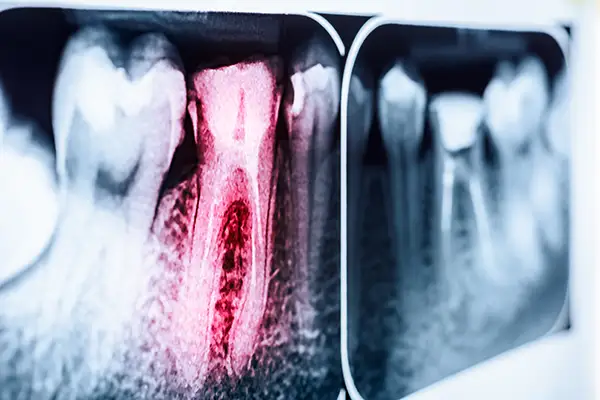 If you have been searching for the top signs you may need a root canal, it usually means a tooth has been bothering you long enough that you are starting to wonder whether something deeper is going on. That instinct is worth listening to. At our Athens, AL office, we frequently see patients who waited weeks longer than they should have, hoping the discomfort would fade on its own, only to discover the tooth had reached a point where more involved treatment was needed. If you have been searching for the top signs you may need a root canal, it usually means a tooth has been bothering you long enough that you are starting to wonder whether something deeper is going on. That instinct is worth listening to. At our Athens, AL office, we frequently see patients who waited weeks longer than they should have, hoping the discomfort would fade on its own, only to discover the tooth had reached a point where more involved treatment was needed.
The encouraging part is that recognizing the warning signs early gives you options. Modern endodontic care has come a long way, and a tooth that is acting up today can often be quietly saved with a routine appointment rather than a major procedure. In this guide, our team at Singing River Dentistry walks through what to watch for, what the modern root canal experience is actually like, and why early attention often saves a tooth that would otherwise be lost. For broader background, you can also read more about root canal therapy on our services page.
On This Page
Why Root Canals Get a Bad Rap
The phrase “root canal” tends to make people brace themselves, and the reputation is mostly outdated. Modern endodontic treatment is done with effective numbing, refined rotary instruments, and digital imaging that lets us work precisely on the inside of the tooth. For most patients, the visit itself feels similar to having a deep filling placed, and many leave the chair feeling lighter than they expected because the worry has lifted along with the discomfort.
What patients usually notice is the relief, not the procedure. The throbbing or pressure that brought you in is almost always coming from an inflamed or infected nerve inside the tooth. Removing that source of irritation is exactly what a root canal does, which is why many patients describe feeling significantly better the same day or the next morning. Plenty of people tell us afterward that the buildup of anxiety beforehand was the hardest part, not the treatment itself. The bigger risk is not the treatment. It is delaying it until the tooth can no longer be saved and an extraction becomes necessary instead.
Common Warning Signs to Watch For
Not every ache means a root canal is needed. Some discomfort comes from a cavity that can still be addressed with a tooth filling, some traces back to gum inflammation, and some is caused by grinding or a bite issue. That is one reason a proper exam matters. The signs below are the ones most often connected to deeper nerve involvement.
Persistent or Throbbing Tooth Pain
Pain that does not go away on its own, that returns night after night, or that throbs in rhythm with your heartbeat when you lie down is one of the most telling signs. The position change matters because lying flat increases blood flow toward the head, which can intensify discomfort from an inflamed pulp. A short twinge that disappears in a few seconds is usually not the same warning. Ongoing, deep, dull aching from one specific tooth is.
Lingering Sensitivity to Hot or Cold
A quick zing from ice water that fades in a second or two is common and usually harmless. Sensitivity that aches on for 30 seconds or more after the temperature source is gone suggests the nerve inside the tooth is inflamed and not recovering quickly. Heat sensitivity in particular often points to more advanced pulp involvement, especially when a sip of hot coffee triggers a wave of discomfort that lingers longer than the drink itself.
Darkening or Discoloration of a Single Tooth
When one tooth turns noticeably gray, brown, or darker than its neighbors, the pulp tissue inside has often been damaged. This can happen after an old injury that caused internal bleeding, after repeated dental work over many years, or as an infection progresses silently. Internal bleeding from a long-ago bump or fall is a surprisingly common cause that traces back years before the color change shows up. Discoloration on a single tooth is worth having checked even if it does not hurt, because the nerve may have already lost vitality.
Swelling, Gum Bumps, or Tenderness When Biting
Swelling near the gumline of one tooth, a small pimple-like bump on the gum (called a sinus tract), or pain when you bite down on a particular tooth all suggest pressure building inside the root. The bump on the gum is the body’s way of releasing infection drainage, and while it may come and go, it is a sign of an active issue beneath the surface. If a bump on the gum drains, then disappears, then returns a few days later, treat the cycle as a warning rather than a sign of healing.
Cracks, Chips, and Heavily Restored Teeth
A tooth that has had a deep cavity, several large fillings, or a dental crown placed in the past is more likely to need root canal therapy down the road. The same is true for a tooth with a visible crack or a chip that has stayed tender after the injury. Once the protective enamel and dentin layers are compromised, bacteria can reach the nerve more easily, sometimes years after the original damage.
When It Becomes a Dental Emergency
 Certain symptoms move a tooth from “needs attention soon” to “needs attention today.” Facial swelling, a fever, a foul taste in the mouth, or severe throbbing that does not respond to over-the-counter relief are all signs of a dental abscess, which is an active infection at the root tip or along the gum. An abscess will not improve on its own, and the bacteria can spread into surrounding tissue if left untreated. Certain symptoms move a tooth from “needs attention soon” to “needs attention today.” Facial swelling, a fever, a foul taste in the mouth, or severe throbbing that does not respond to over-the-counter relief are all signs of a dental abscess, which is an active infection at the root tip or along the gum. An abscess will not improve on its own, and the bacteria can spread into surrounding tissue if left untreated.
If you are dealing with any of these symptoms, the situation is not a wait-and-see one. Please contact our Athens office for toothache relief right away. Same-day or next-day evaluations are common in these cases, and starting treatment quickly almost always leads to a calmer outcome with less time in the chair.
What to Expect at Your Visit
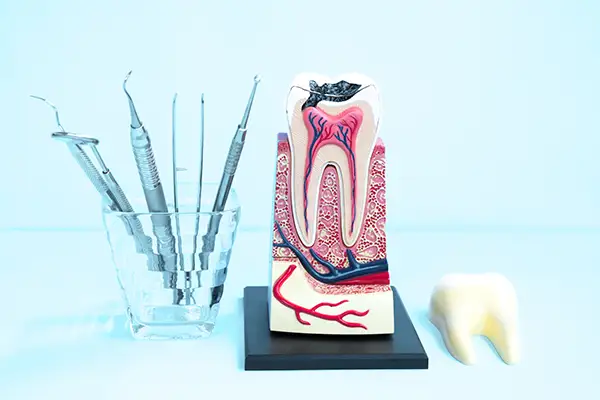 A visit to evaluate possible root canal symptoms is straightforward. Our dentist will start with a focused conversation about your symptoms, including when the discomfort started and what makes it better or worse. A clinical exam of the tooth and surrounding gum tissue follows, along with digital X-rays that give us a clear picture of the roots, the supporting bone, and any signs of infection that are not visible to the eye. A visit to evaluate possible root canal symptoms is straightforward. Our dentist will start with a focused conversation about your symptoms, including when the discomfort started and what makes it better or worse. A clinical exam of the tooth and surrounding gum tissue follows, along with digital X-rays that give us a clear picture of the roots, the supporting bone, and any signs of infection that are not visible to the eye.
Sometimes a thermal test or a gentle electric pulp test is used to check how the nerve inside the tooth is responding. None of this is uncomfortable. The goal is to confirm what is actually going on so we can recommend the right course of action with confidence rather than guesswork.
If the pulp is healthy, treatment may be as simple as adjusting a filling, treating a cavity, or correcting your bite. If the pulp is inflamed or infected, we will walk you through the restoration options that fit your tooth, which usually include root canal therapy followed by a crown to protect the tooth for the long haul. When a tooth is too far gone to save, we will discuss replacement choices openly so you can make the call that fits your goals and your budget. Whatever the outcome of the exam, you leave with a clear plan rather than a guessing game.
When to Call Our Athens Office
If any of the warning signs in this guide sound familiar, the best next step is a quick evaluation. Catching the problem early is the difference between saving a tooth and replacing one, and modern care makes the visit far less stressful than most patients expect. Our team at Singing River Dentistry is happy to take a look and walk you through your options in plain language. Call our Athens, AL office at 256-867-0090 to schedule a visit, or learn more about our dental practice online.
Frequently Asked Questions
Can a tooth heal itself if it needs a root canal?
No. Once the pulp tissue inside a tooth is significantly inflamed or infected, it does not recover on its own. The symptoms may come and go, which can give a false impression of healing, but the underlying issue continues to progress. An in-person evaluation is the only way to know for sure what is happening inside the tooth.
Is a modern root canal really as bad as people say?
For most patients, the procedure feels similar to having a deep filling placed. The area is thoroughly numbed before any work begins, and the visit itself is what brings relief from the symptoms that caused the discomfort. The outdated reputation comes from older techniques that are no longer how the procedure is performed.
How long can I wait if my tooth is hurting?
It depends on the symptom, but in general, waiting rarely helps. Mild discomfort that has lasted a couple of days deserves a call. Severe pain, swelling, fever, or a bad taste in the mouth means you should be seen as soon as possible. Delays often turn savable teeth into teeth that must be removed.
Will I need a crown after a root canal?
Most back teeth that have had root canal therapy do better long term with a crown placed over them. The procedure removes inflamed tissue from inside the tooth, which can leave the remaining structure more brittle. A dental crown protects the tooth and helps it function normally for many years to come.
What if my tooth cannot be saved?
When a tooth is too damaged to keep, our team will discuss replacement options openly. Depending on your needs and goals, this can include implants, bridges, or other restorative choices. Our priority is helping you make a confident decision based on the realities of your situation, not pressure to act quickly. |
|

